

Southern Ohio is a place that quietly holds one of the most remarkable botanical landscapes in the entire Midwest. Nestled between the rolling Appalachian foothills and the fertile river valleys, this region produces plant life that is not only medicinally significant but also deeply rooted in local heritage and tradition. We have spent years studying and appreciating these botanicals, and what we found genuinely surprised us. The richness of southern ohio botanicals goes far beyond what most people expect from this part of the country.
Why Southern Ohio Is a Hidden Gem for Rare Botanicals
Most people think of Ohio as a flat, agricultural state. But southern Ohio tells a completely different story. The unique geology of the region, shaped by ancient glacial activity and the presence of sandstone ridges, creates a growing environment unlike anywhere else in the state. The soil composition, humidity levels, and dense forest canopy combine to produce botanical species that thrive here and almost nowhere else in the continental Midwest.
Communities in this region have long relied on native plants for both culinary and medicinal purposes. Passed down through generations of Appalachian families, this knowledge represent a living cultural library that modern herbalists and natural health enthusiasts are only beginning to fully appreciate. We believe that understanding these plants is not just about wellness, it’s about honoring a way of life that sustained entire communities for centuries.
1. Black Cohosh (Actaea racemosa)
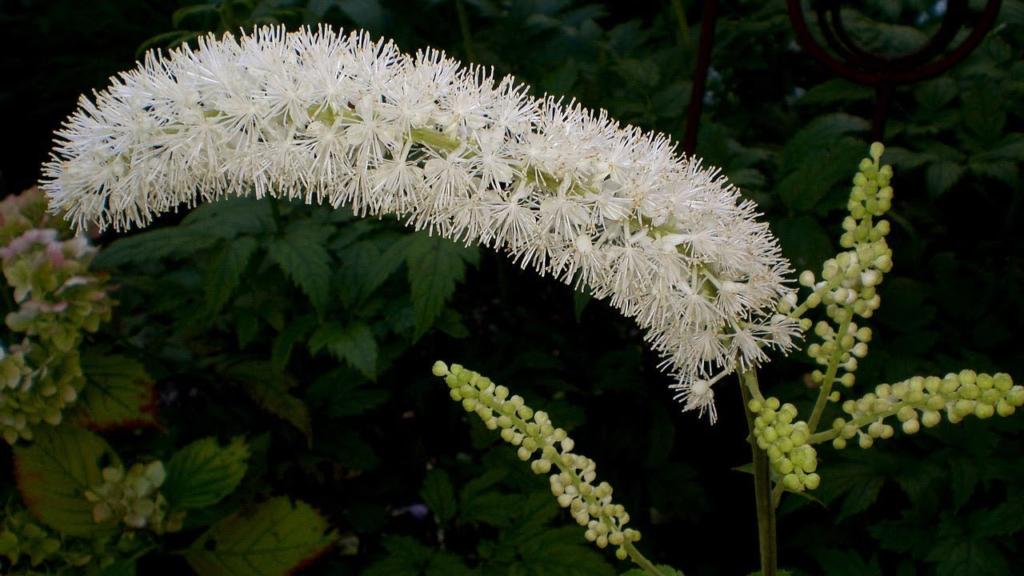
Black Cohosh is perhaps one of the most well-documented botanicals native to southern Ohio’s shaded woodland floors. It thrives in the deep, moist soils beneath the forest canopy and has been used by indigenous communities long before European settlers arrived. Modern herbalists frequently recommend it for hormonal balance and menopausal support, and scientific research continues to explore its full range of benefits.
We find it remarkable how this tall, elegant plant with its long feathery white flowers can be growing just feet away from a hiking trail, completely unnoticed by most passersby. That is the quiet magic of southern Ohio botanicals.
2. Goldenseal (Hydrastis canadensis)
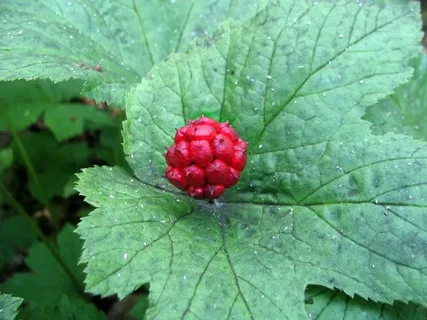
Goldenseal is one of the most sought-after and unfortunately over-harvested medicinal plants in North America. Southern Ohio’s woodland environments provides near-perfect conditions for this low-growing perennial. Its bright yellow root contains berberine, a compound that has attracted significant attention from researchers studying antimicrobial and anti-inflammatory applications.
Because wild goldenseal populations have declined sharply over the decades, ethical wildcrafting and sustainable harvesting practices are critical when working with this plant. We strongly encourages anyone foraging in southern Ohio to educate themselves on responsible practices before venturing into goldenseal habitats.
3. Bloodroot (Sanguinaria canadensis)
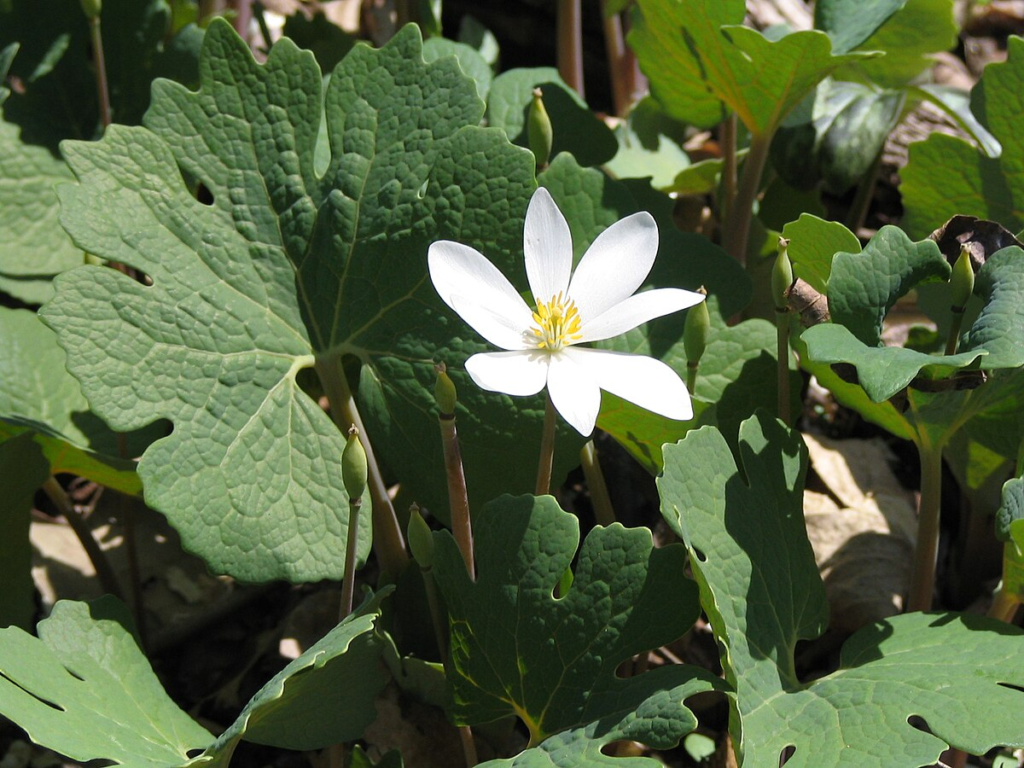
Few plants in southern Ohio carry the same visual drama as bloodroot. In early spring, before the tree canopy even begins to leafs out, bloodroot pushes up through the cold soil with its distinctive white flowers wrapped in a single lobed leaf. Slice through its root and you are met with a vivid orange-red sap that has both fascinated and alarmed naturalists for generations.
Bloodroot has a deep history in traditional medicine and craft, used historically as a dye and as part of topical herbal preparations. The chemistry of this plant is complex and requires careful handling, making it one of the more nuanced southern ohio botanicals to work with.
4. Spicebush (Lindera benzoin)
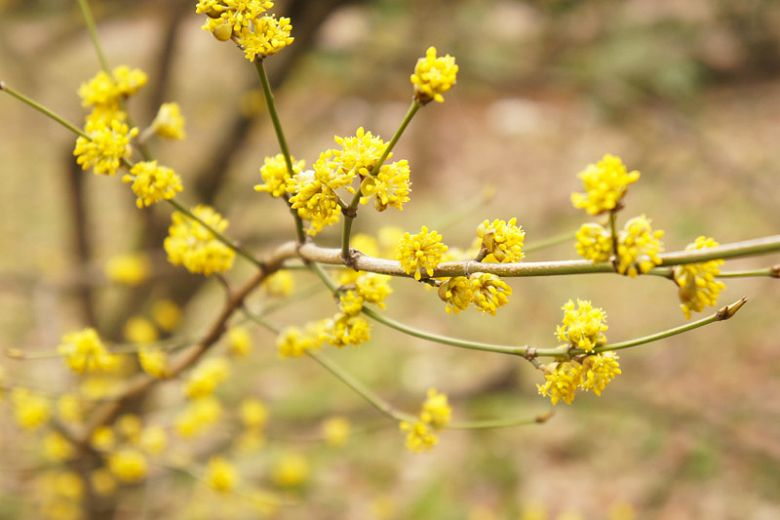
Spicebush is one of those plants that you often smell before you even sees it. Its aromatic twigs and berries carries a warm, spicy fragrance that fills the air in the moist bottomlands and stream edges of southern Ohio. Native Americans used every part of this plant, from the leaves brewed as tea to the dried berries used as a spice similar to allspice.
Today, spicebush is gaining renewed attention from foragers, chefs, and herbal enthusiasts who appreciate its culinary potential. The Appalachian food revival movement has brought spicebush back into conversations about regional flavor and identity, and we could not be more pleased about that.
5. Wild Ginger (Asarum canadense)
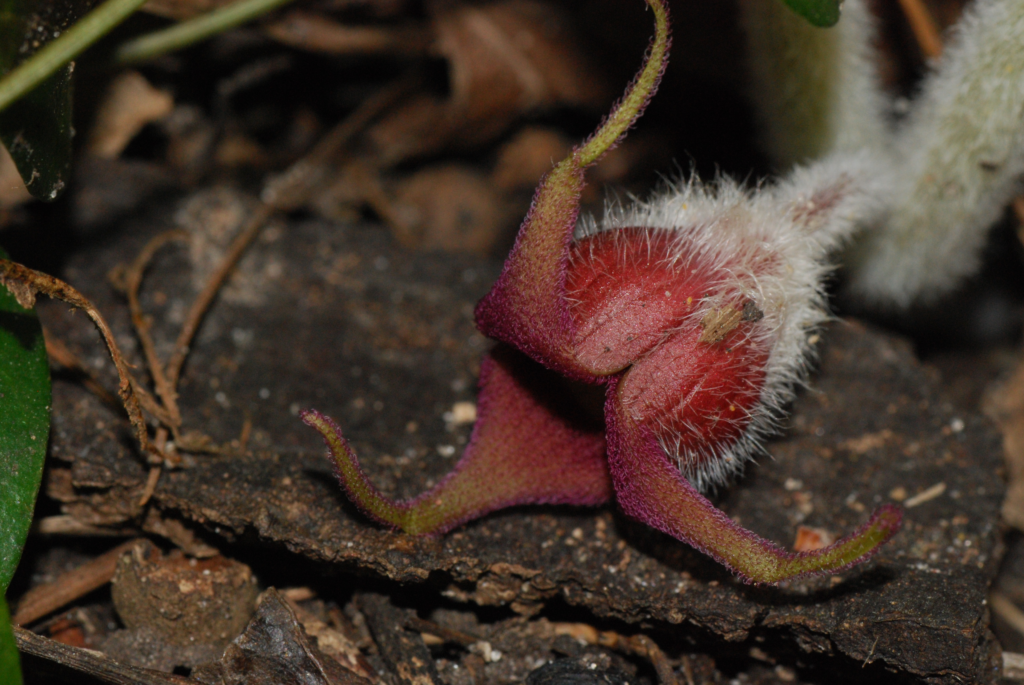
Wild ginger spreads slowly across the forest floor in dense, heart-shaped mats that feels almost like a living carpet beneath your feet. While it shares a similar warming aroma with culinary ginger, it is botanically unrelated. Southern Ohio’s shaded slopes and stream banks are some of the best places in the Midwest to find this low-growing gem.
It has a long history of use in traditional Appalachian herbalism and was used by various indigenous groups as both a food flavoring and a medicinal herb. The root carries the most intense fragrance and has been studied for its aromatic compounds, though modern use is generally approached with caution due to the presence of aristolochic acid in some related species.
6. Pawpaw (Asimina triloba)
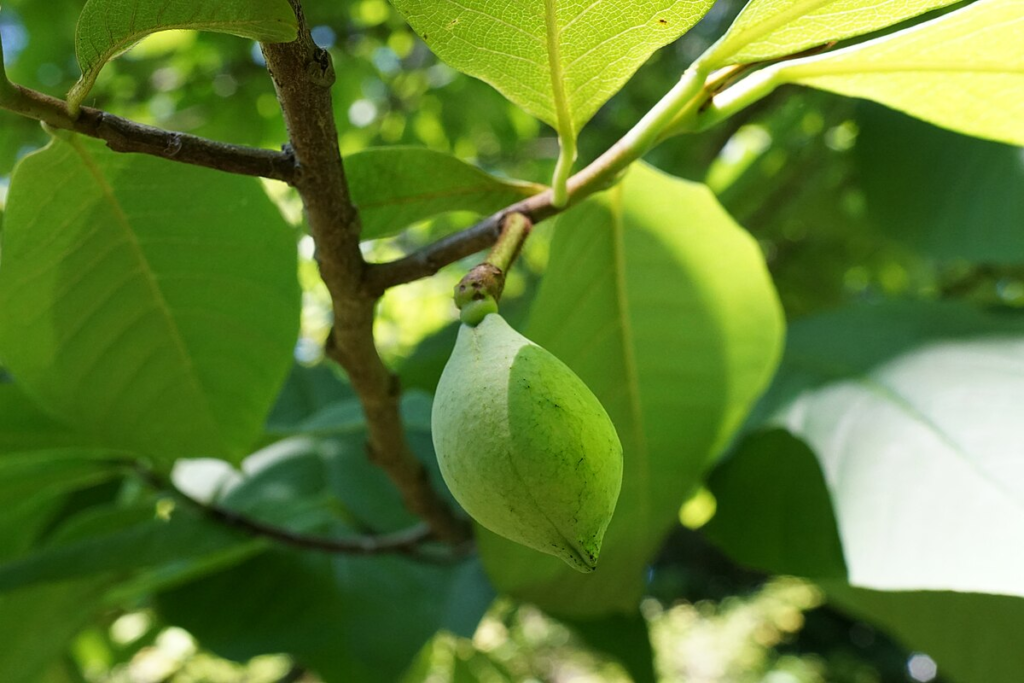
The pawpaw is arguably the most beloved of all southern Ohio botanicals, and for good reason. This small native tree produces the largest edible fruit indigenous to North America, with a custard-like texture and a tropical flavor that stuns first-time tasters every single time. Pawpaw patches dot the river bottoms and creek hollows throughout southern Ohio, and locals have cherished them for as long as anyone can remembers.
Ongoing research into pawpaw’s bioactive compounds suggests the fruit and seeds may have significant potential in various health-related applications. We have watched this fruit go from a forgotten Appalachian staple to a celebrated ingredient at farm-to-table restaurants, and honestly, it deserves every bit of that recognition.
7. Mayapple (Podophyllum peltatum)
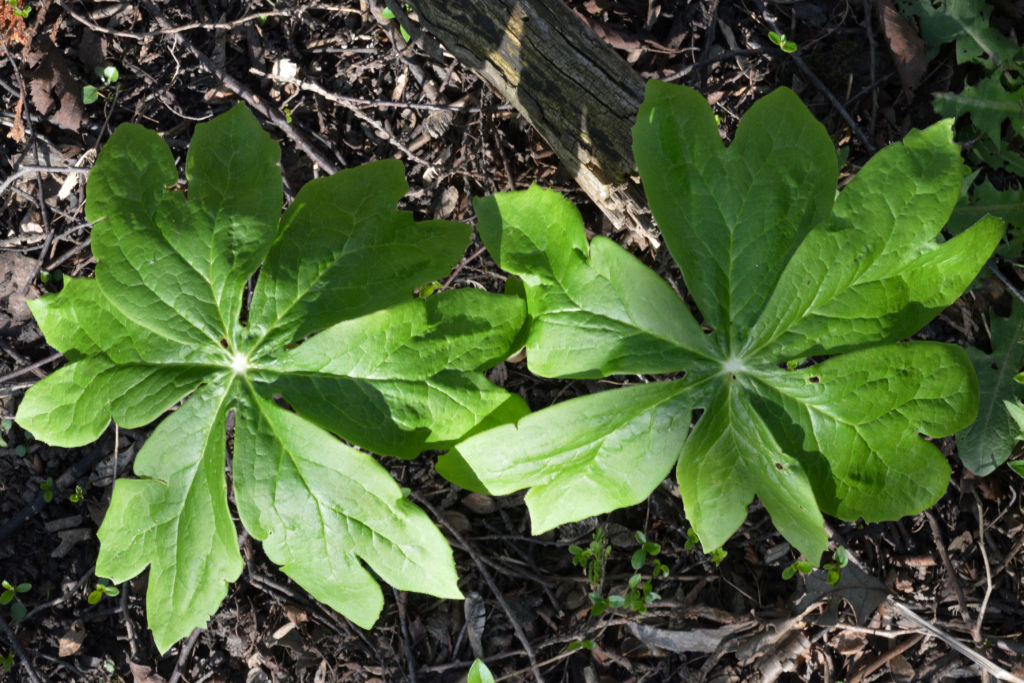
Mayapple is one of those botanicals that inspire both wonder and respect. Each spring, its large umbrella-like leaves carpets the forest floor in dramatic colonies that stretch for yards in every direction. Hidden beneath the paired leaves is a small, lemon-yellow fruit that is edible only when fully ripe. Every other part of the plant is toxic, which adds a layer of gravity to any foraging encounter.
Podophyllotoxin, a compound derived from mayapple, has been used in the development of certain chemotherapy drugs, making this unassuming woodland plant one of the most pharmacologically significant southern ohio botanicals in existence.
Respecting and Preserving Southern Ohio’s Botanical Heritage
The plants we have discussed here are more than just wild curiosities. They represent a living legacy of ecological, cultural, and medicinal significance that deserves genuine protection and thoughtful study. As interest in native botanicals continues to grow, we urge readers to approach these plants with humility and responsibility.
Supporting local conservation efforts, learning from credentialed herbalists and botanists, and choosing sustainably sourced botanical products whenever possible are three concrete steps every plant enthusiast can takes to ensure these species endure for future generations.
Southern Ohio’s botanicals speaks to anyone willing to slow down and listen. We hope this guide not only informs but stirs something genuine in you, a desire to step into those forested hills and see for yourself what has been quietly growing there all along.
