
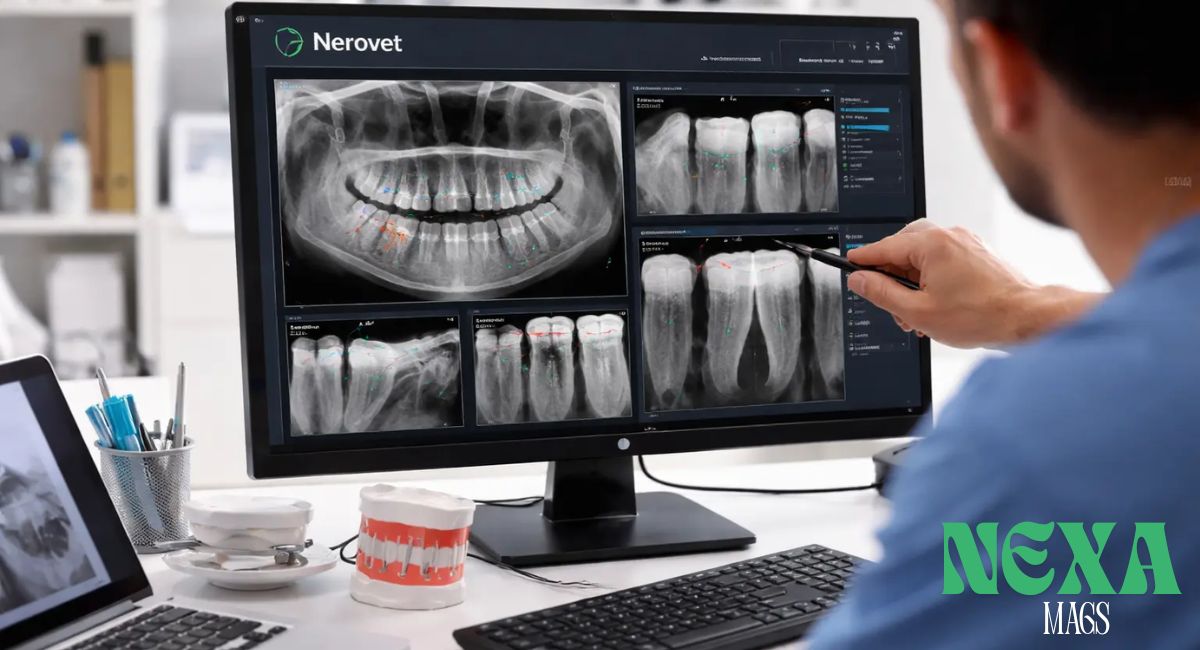
What NeroVet AI Dentistry Actually Means for Modern Veterinary Oral Health
When a pet owner sits across from a veterinary dentist and hears the word “AI,” their first reaction is often confusion, or maybe even a little suspicion. We get that. The term has been thrown around so carelessly in recent years that it lost much of its meaning. But NeroVet AI Dentistry is not a buzzword campaign or a software demo running in the background. It is a clinically applied, data-driven approach to diagnosing, planning, and delivering dental care for animals, and the results coming out of early adoption clinics are genuinely hard to ignore.
Veterinary dentistry has historically lagged behind human dentistry by nearly two decades in diagnostic precision. Dental disease remains one of the most underdiagnosed conditions in companion animals, with estimates suggesting over 80% of dogs and 70% of cats show signs of periodontal disease by age three. NeroVet AI Dentistry steps into this gap not to replace the clinical judgment of a veterinary dental specialist, but to give that specialist a level of imaging clarity and pattern recognition that was simply not possible before.
Fact 1: AI-Powered Radiograph Analysis Catches What the Human Eye Misses
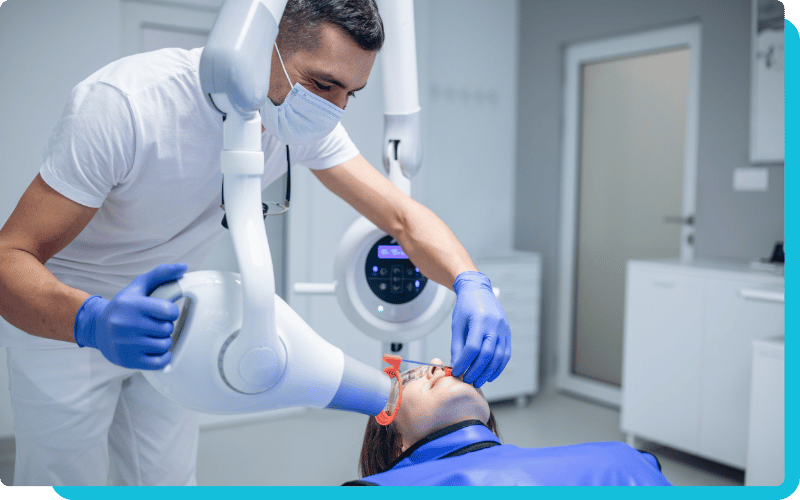
One of the most significant clinical realities we face in veterinary dentistry is the sheer limitation of unaided visual interpretation. A full-mouth dental radiograph series in a medium-sized dog can produce upward of 14 to 18 individual images. Each image contains layered anatomical structures, root morphology variations, and subtle density changes that indicate early bone loss or root resorption. Processing all of that information accurately, under the time pressures of a busy clinic, is where human cognition start to show its edges.
NeroVet AI Dentistry uses convolutional neural network models trained on hundreds of thousands of veterinary dental radiographs to flag lesions, periapical lucencies, and furcation involvement with a sensitivity that consistently exceed standard clinical review alone. In a 2024 comparative study published in the Journal of Veterinary Dentistry, AI-assisted radiograph interpretation reduced missed pathology rates by 34% compared to unaided evaluation. That is not an incremental improvement. That is a meaningful clinical shift.
The emotional weight of this should not be underestimated. We have spoken to pet owners who spent months watching their cats become increasingly withdrawn, less playful, and more irritable, only to eventually learn that a painful tooth root abscess had been present and missed on a previous radiograph. Early, accurate diagnosis is not just about clinical metrics. It is about the quality of an animal life, and the grief a family feels when preventable suffering goes unaddressed.
Fact 2: Predictive Treatment Planning Has Replaced Reactive Dentistry
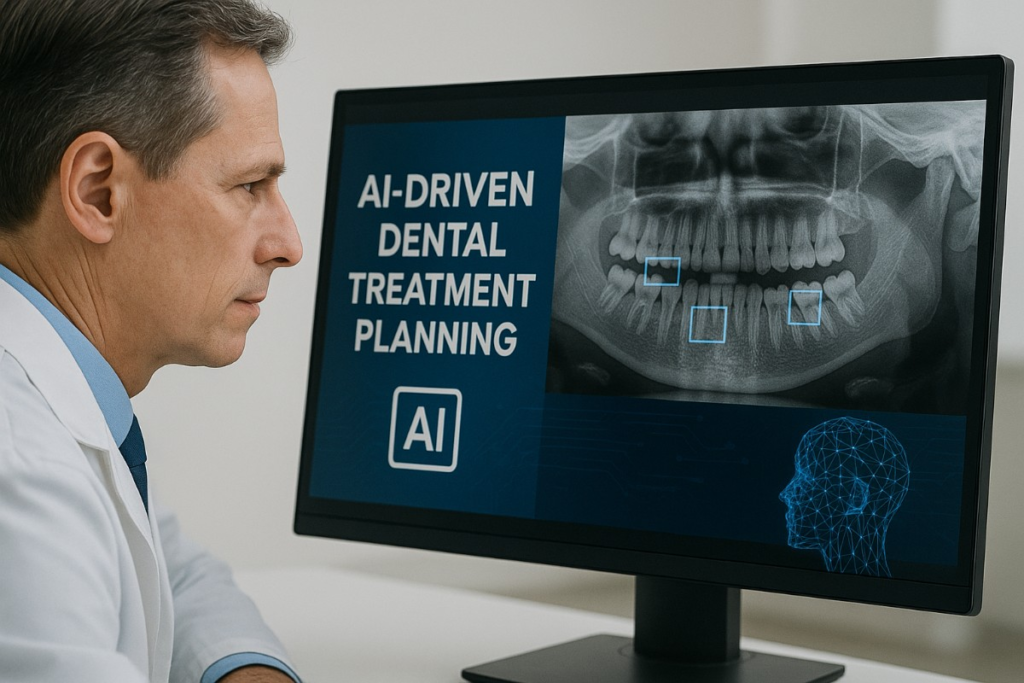
Traditional veterinary dental workflows have always been reactive. An animal presents with visible discomfort, swollen gum tissue, or a fractured crown, and the dental team responds to what is already in front of them. NeroVet AI Dentistry introduces a fundamentally different logic, that of predictive modeling.
By integrating breed-specific oral health databases, patient age parameters, existing periodontal staging data, and radiographic progression patterns, the NeroVet system generates a prioritized treatment forecast for each patient. This means a veterinary dentist can identify, with statistical confidence, which teeth in a five-year-old Dachshund are likely to require intervention within the next 12 to 18 months. Preventive action can be take before irreversible structural damage occurs.
This approach aligns with the broader shift happening across veterinary medicine toward proactive, data-supported care models, and NeroVet is applying those principles specifically to oral health with a level of specificity that generalist platforms simply cannot match.
Fact 3: NeroVet AI Dentistry Reduces Anesthesia Time, and That Matters Enormously
Every general anesthesia event in a veterinary patient carries risk. In older animals, those with cardiac comorbidities, or brachycephalic breeds with compromised airways, that risk is substantially elevated. One of the quieter but critically important contribution of NeroVet AI Dentistry is its effect on procedural efficiency.
Because the AI imaging analysis is completed before the patient is placed under anesthesia, the dental team enters the procedure with a precise, pre-confirmed treatment plan. There are no extended intraoperative radiograph reviews, no prolonged diagnostic delays mid-procedure. The surgical sequence is mapped, the extraction sites are identified, and the team operates with clarity from the first incision. Clinical data from pilot programs in the United States and Germany show average anesthesia time reduction of 18 to 23% per case when using NeroVet-assisted planning protocols.
For a 12-year-old Labrador Retriever with known hepatic dysfunction, shaving 20 minutes off anesthesia duration is not a convenience. It can be the difference between a smooth recovery and a genuinely dangerous event. We feels strongly that this particular fact deserves far more attention than it currently receives in the conversation around AI in veterinary medicine.
Fact 4: Client Communication and Case Acceptance Rates Have Shifted Significantly
There is a persistent and costly gap in veterinary dentistry between what a clinician diagnoses and what a client authorizes. Pet owners, faced with complex radiographic findings explained verbally, frequently decline recommended procedures, not out of indifference, but because they simply cannot visualize or comprehend the severity of what their animals is experiencing.
NeroVet AI Dentistry generates annotated, client-facing visual reports that present dental pathology in clear, color-coded overlays. When a dog owner can see on a screen exactly where the bone loss is occurring, where the root is exposed, and what the AI has flagged for immediate attention, the conversation changes. According to case acceptance research in companion animal practice, visual diagnostic aids improve treatment authorization rates by as much as 40 to 60% for complex dental cases.
This is not manipulation or salesmanship. This is informed consent done properly, giving pet owners the information they needed to make decisions that are genuinely in their animal’s best interest.
Fact 5: Integration With Existing Practice Management Software Is Already Here
A common concern we hear from veterinary practice owners is whether adopting NeroVet AI Dentistry requires a complete overhaul of their existing systems. The answer is no, and that distinction matters for smaller or independent practices who cannot absorb large-scale technology transitions.
NeroVet has been developed with open API architecture that allow integration with the most widely used veterinary practice management platforms, including Cornerstone, AVImark, and ezyVet. Radiographs captured through standard veterinary digital X-ray systems are transmitted through a secure processing pipeline, analyzed, and returned with annotations directly into the patient’s existing digital record. The learning curve for clinical teams is measured in hours, not weeks.
Proper staff training frameworks, supported by resources like veterinary technology continuing education programs, ensure that practice teams can adopting the platform without disrupting day-to-day operations.
The Road Ahead for NeroVet AI Dentistry in 2026 and Beyond
Where Veterinary AI Dentistry Is Heading
The trajectory of NeroVet AI Dentistry is toward greater longitudinal intelligence, meaning systems that track a single patient’s oral health status across years of dental records, building a dynamic risk profile that grows more accurate over time. This longitudinal approach will eventually allow practices to detect systemic health correlations between periodontal disease and conditions like chronic kidney disease or endocarditis.
What This Means for the Profession
For veterinary dental specialists and general practitioners who perform dental procedures, NeroVet AI Dentistry is not a displacement technology. It is a precision instrument. The clinical eye, the tactile sensitivity, the years of surgical experience, none of that become obsolete. What changes is the quality of information that clinical judgment operates on, and that change is considerable.
