
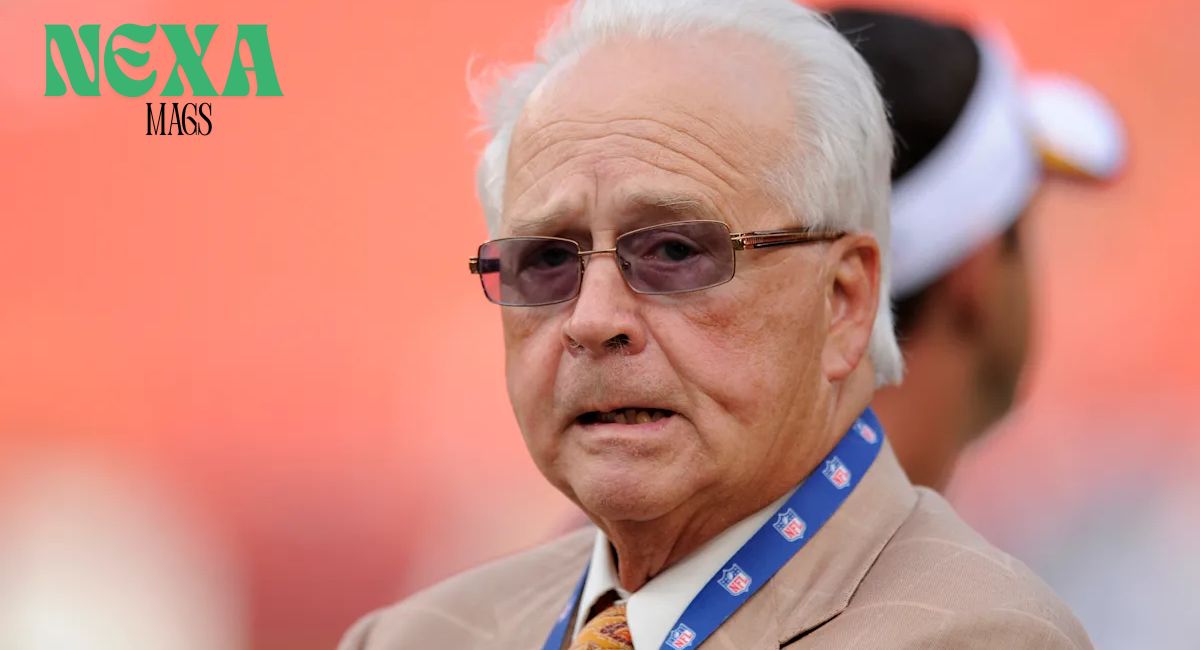
For more than four decades, the name Dr James Andrews has carried a weight that very few medical professionals ever achieve in their lifetime. Athletes from every corner of the professional sports world, whether they are NFL quarterbacks, MLB pitchers, or NBA guards, have sat across from this man in a quiet examination room and trusted him with careers worth hundreds of millions of dollars. That trust was never misplaced. Dr James Andrews did not simply build a reputation. He built a legacy that redefined what sports medicine could look like when paired with genuine dedication and relentless pursuit of excellence.
We often think of sports medicine as a supporting role, something that happens in the background while athletes do the real work on the field. But the story of Dr James Andrews forces us to reconsider that assumption. His work changed outcomes, saved livelihoods, and in many case gave athletes a second chance at life they had spent years building.
Who Is Dr James Andrews and Why Does His Name Matter
Born in 1942 in Hokes Bluff, Alabama, James Robert Andrews grew up with a love for sports that never really left him. He played football and baseball at Auburn University, and it was during those years that he began to understand the fragile relationship between athletic ambition and physical limitation. He went on to complete his medical degree at LSU Medical School in 1967 and later trained under the legendary Dr. Jack Hughston, one of the founding figures of modern sports medicine as a distinct specialty.
What made Dr James Andrews different from the beginning was not just his technical skill, though that was exceptional. It was his understanding of what an injury actually means to someone who has devoted their entire identity to athletic performance. When you take away an athlete’s ability to compete, you take away something far deeper than a job. Dr Andrews understood this, and that emotional intelligence shaped every decision he made in the operating room and beyond.
The Rise of a Career That Defined an Era in Sports Medicine
From Alabama to the Operating Rooms of Champions
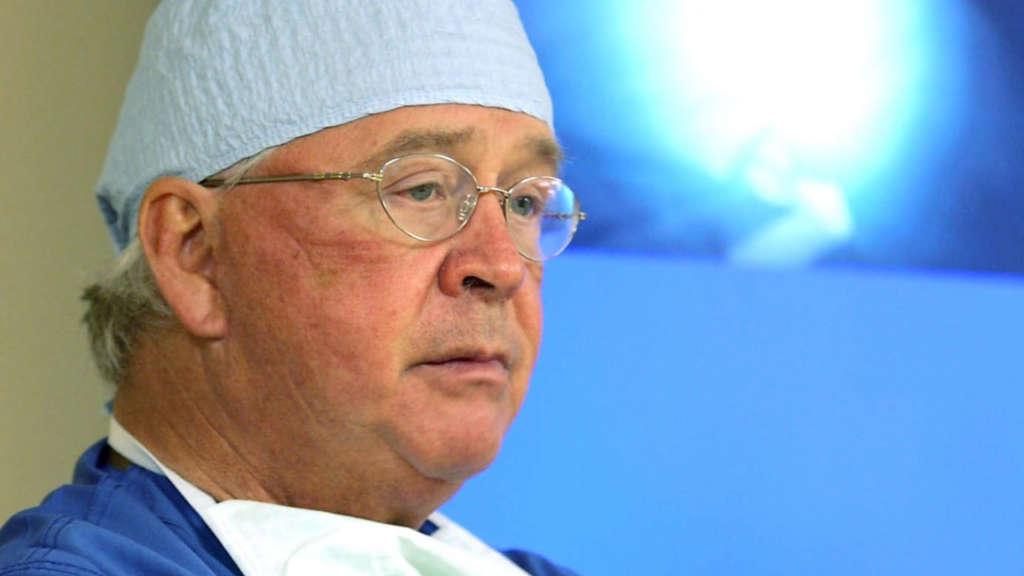
After completing his fellowship training, Dr Andrews established himself in Birmingham, Alabama, where he co-founded the American Sports Medicine Institute (ASMI) in 1987. This wasn’t just another medical practice. It became one of the most respected research institutions in the country, dedicated specifically to the prevention and treatment of sports-related injuries. The institute produced groundbreaking research on shoulder and elbow mechanics, pitching biomechanics, and ACL reconstruction techniques that are still referenced in clinical settings today.
Over the years, Dr Andrews perfomed over 50,000 surgical procedures, a number that is staggering by any standard. Among those procedures were surgeries on some of the most iconic names in American sports, including Bo Jackson, Charles Barkley, Roger Clemens, Drew Brees, and Adrian Peterson. When Adrian Peterson tore his ACL in December 2011, many experts predicted his career was effectively over. Eleven months later, he rushed for 2,097 yards, one shy of the all-time single-season record. That comeback didn’t happen by accident.
The Tommy John Surgery Legacy
No discussion of Dr James Andrews career is complete without examining his contributions to Tommy John surgery, formally known as ulnar collateral ligament (UCL) reconstruction. While the procedure was originally performed by Dr. Frank Jobe in 1974, Dr Andrews refined, popularized, and dramatically improved the outcomes of this surgery to the point where it became the standard-of-care for pitchers with elbow injuries. His work helped extend the careers of countless professional baseball pitchers who would otherwise have faced permanent retirement.
The sheer volume of UCL reconstructions performed at his practice in Gulf Breeze, Florida and Birmingham, Alabama meant that he accumulated clinical data and surgical experience that no other surgeon in the world could match. That depth of experience translated into superior outcomes, and word spread quickly throughout the sports world that if you needed elbow surgery, you went to Dr Andrews.
Why Professional Athletes Chose Dr James Andrews Over Anyone Else
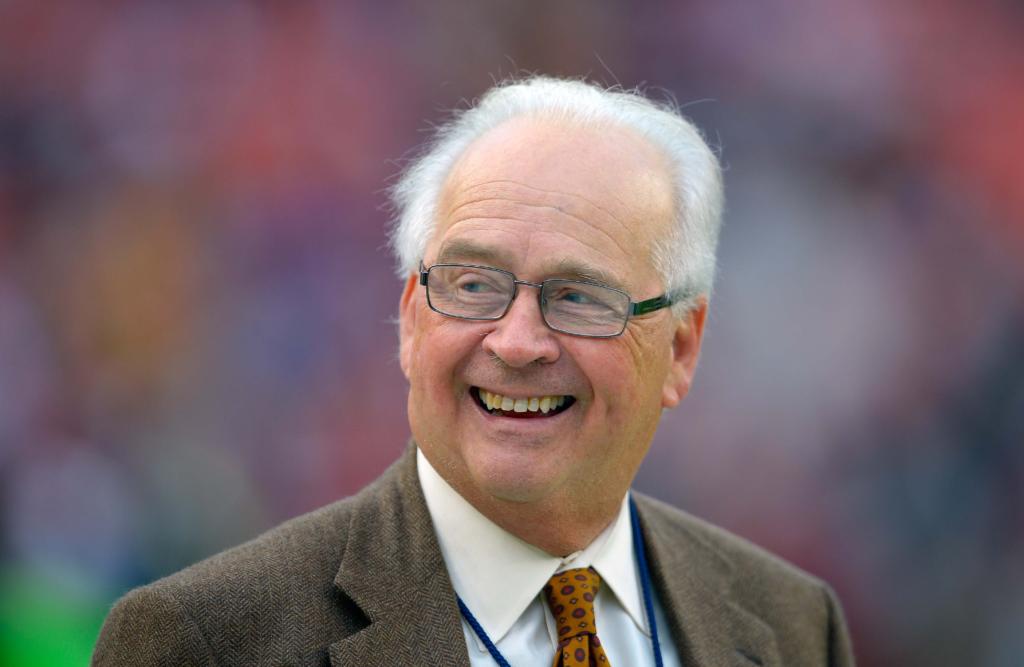
Trust in medicine is rarely built overnight. It is earned through years of consistent results, honest communication, and a willingness to put the patient’s long-term wellbeing ahead of everything else. This is precisely what Dr James Andrews offered, and professional athletes and their agents recognized it early.
Part of what made him so trusted was his directness. Athletes have reported that Dr Andrews never sugarcoated a diagnosis or gave false hope just to be reassuring. If a shoulder was badly damaged, he said so. If a player needed to consider retirement for the sake of their long-term health, he said that too. In a world where players are often pushed back onto the field before thier bodies are truly ready, that kind of honesty was rare and deeply appreciated.
There was also a personal warmth to his approach that went beyond clinical detachment. He knew that the person sitting in front of him was not just a patient. They were someone who had sacrificed years of their life for their sport, someone whose sense of self was deeply tied to their physical ability. He treated them accordingly, and his patients noticed.
Dr James Andrews and the Science Behind the Outcomes
Research That Changed How Sports Injuries Are Understood
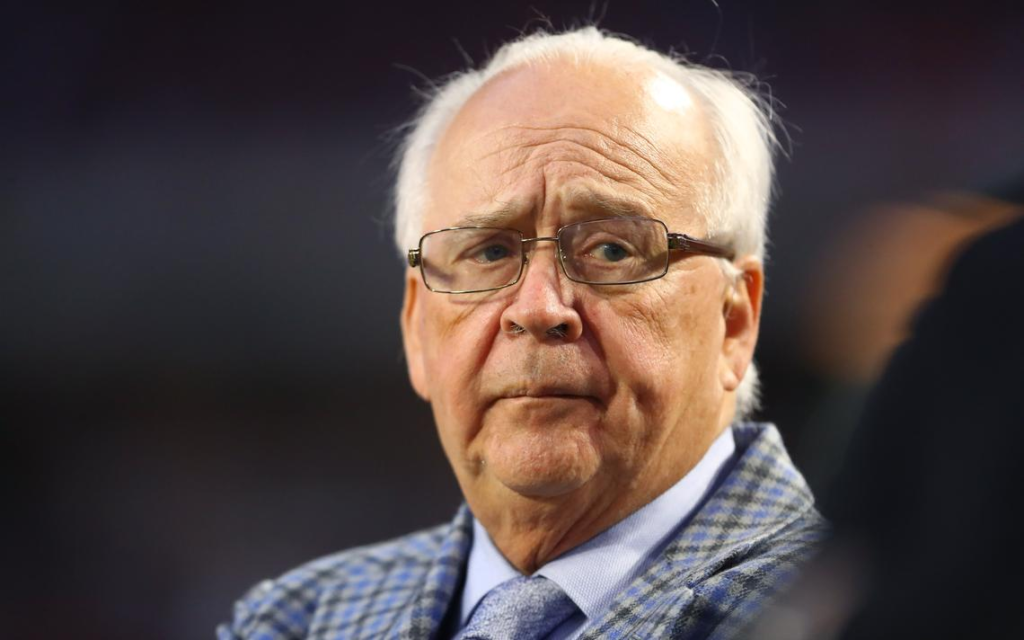
One of the most underappreciated aspects of Dr Andrews’s career is his contribution to sports medicine research. Through ASMI, he and his colleagues published hundreds of peer-reviewed studies on biomechanical analysis, injury prevention protocols, and surgical techniques. Their research on pitching mechanics and arm stress in youth baseball led to real-world policy changes, including pitch count limits adopted by Little League Baseball and similar organizations across the country.
This is perhaps the part of his legacy that gets the least attention but deserves the most. By identifying how youth athletes were being injured at alarming rates due to early specialization and overuse, Dr Andrews and ASMI helped shift the conversation about how young players should be developed. The number of careers that were saved before they even began, because of this research, is impossible to calculate but very real.
Shoulder Reconstruction and ACL Repair Innovations
Beyond the elbow, Dr Andrews made significant contributions to shoulder reconstruction surgery and ACL repair techniques. His work on rotator cuff injuries helped establish clearer diagnostic criteria and improved surgical approachs that reduced recovery times and improved long-term functional outcomes. For football players in particular, whose shoulder injuries are both common and career-threatening, his methods became widely adopted across the field.
In ACL reconstruction, his collaboration with other orthopedic researchers contributed to better graft selection protocols and rehabilitation frameworks that gave patients a higher probability of returning to pre-injury performance levels. These where not small improvements. In competitive sports, even marginal gains in recovery outcomes can mean the difference between a player returning to the field or walking away for good.
The Human Side of Dr James Andrews That Few People Talk About
Behind all the surgical records and famous patients, Dr James Andrews has always spoken openly about the emotional weight of his work. He has acknowledged in interviews that operating on athletes, knowing how much is riding on the outcome, carries a psychological burden that never fully goes away. That kind of honesty about the human dimension of medicine sets him apart from the image of the detached, all-knowing surgeon that popular culture tends to project.
He was also deeply committed to giving back to the state of Alabama and to the broader sports medicine community. He served on numerous medical advisory boards, contributed his expertise to the NFL Players Association, and mentored a generation of orthopedic surgeons who went on to built their own careers on the foundations he helped lay. His induction into the Alabama Sports Hall of Fame and the Alabama Business Hall of Fame were not just ceremonial honors. They reflected a genuine recognition of the real-world impact his career had on the state and on American sports culture at large.
There’s something quietly moving about the fact that this man, who could have practiced anywhere in the world, chose to remain rooted in Alabama. His decision to build institutions, train doctors, and serve patients from a place that many might have considered off the beaten path said something important about his values and about what he believed medicine was actually for.
Dr James Andrews and the Broader Impact on How We Think About Athlete Health
The influence of Dr James Andrews on sports medicine extends well beyond his individual surgical cases. His career helped push the entire field toward a more athlete-centered model of care, one that considers not just the physical mechanics of an injury but the psychological and career implications of treatment decisions. This shift in thinking is now embedded in how sports medicine programs are taught at major universities across the country.
He was among the first in his field to advocate loudly for better protection of youth athletes, warning about the dangers of early sport specialization and the long-term consequences of overuse injuries in growing bodies. Those warnings, backed by ASMI research, eventually reached policymakers, coaches, and parents in ways that genuinely changed practice. That kind of influence is rare in medicine, where research often takes decades to trickle into real-world behavior.
When we look at the landscape of modern sports medicine, from the sophisticated biomechanical labs at major sports franchises to the pitch count apps that parents use to monitor their little league pitchers, we are looking at a world that Dr James Andrews helped shape. His fingerprints are on it, even where his name is not directly mentioned.
A Career That Speaks for Itself
Dr James Andrews officially stepped back from active surgical practice in recent years, though his impact on the field shows no signs of fading. The American Sports Medicine Institute continues its research mission. The surgeons he trained carry his methods into operating rooms across the country. The athletes he treated went on to win championships, break records, and inspire generations of younger players who never knew how close those careers came to ending early.
There are very few figures in the history of American sports medicine who can claim the kind of comprehensive legacy that Dr Andrews built. He operated at the intersection of science, human performance, and compassionate care and he did it consistently, at the highest level, for more than four decades. That is not something that can be manufactured or marketed. It is something that has to be earned, one patient at a time.
We believe the story of Dr James Andrews is ultimately a story about what medicine looks like when it is practiced with both exceptional skill and genuine humanity. It is a story worth telling, and worth remembering.
