

Most people know the name Scott Bakula from his iconic roles in Quantum Leap and NCIS: New Orleans, but very few peoples know much about his son, Wil Bakula. He has lived a life largely out of the spotlight, away from the flashing cameras and red carpet events that defined his father’s career. Yet, Wil’s story is one worth telling, because it speaks to identity, passion, and the quiet courage it takes to carve your own path when your last name carries so much weight.
We took a deep look into who Wil Bakula really is, and what we found was far more interesting then most celebrity offspring profiles you’ll read online.
Early Life and Family Background of Wil Bakula
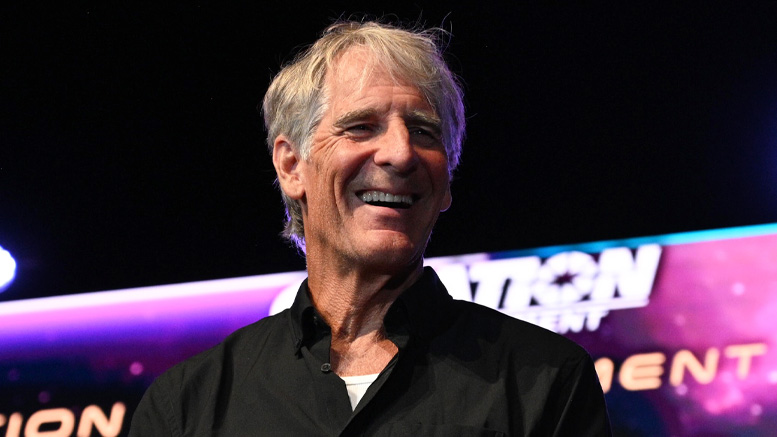
Wil Bakula was born to Scott Bakula and his first wife, Krista Neumann. Scott and Krista where married from 1981 to 1995, and together they had two children, Wil being one of them. Growing up with a father who was a household name on American television was never going to be a ordinary experience. There were expectations, public attention, and a certain invisible pressure that came with simply existing in that family.
Despite all of this, Wil did not grows up in front of the cameras. His parents made a conscious choice to keep their children protected from the media circus that surrounded Scott’s rising fame during the Quantum Leap years. That kind of parenting decision speaks volumes about the values both Scott and Krista tried to instilled in their children.
Scott Bakula himself has always been known as someone who deeply values family and personal relationships, which made it no surprise that his children where raised with a grounded sense of self rather than a inflated celebrity ego.
Who Is Wil Bakula? A Closer Look at the Man Behind the Name
Wil Bakula is not your typical Hollywood kid who jumped straight into acting or chased fame because it was available to him. Instead, he followed a path that felt more authentic to who he is. Wil developed a strong interest in music, and over time, that passion grew into something real and meaningful.
There is something genuinely moving about watching someone chose art not because of who their father is, but because it fills something inside of them that nothing else can. That is exactly what Wil appears to have done. Music became his language, his way of processing the world around him.
While detailed discography informations about Wil is not widely published, those who have followed his musical journey describe him as someone with real talent and emotional depth in his work. He hasn’t tried to ride his father’s coattails, and that alone tells you a lot about his character.
Wil Bakula’s Music Career and Creative Journey
The music world is not kind to newcomers, regardless of who your parents is. It demands consistency, vulnerability, and a willingness to face rejection over and over again. Wil Bakula, by all accounts, understood this reality and stepped into it anyway.
His musical style leans toward a introspective, emotionally layered sound. People who has listened to his work often note that it doesn’t feel manufactured or produced for commercial appeal. There’s a rawness there, something that authentic artists tend to develop when they create from lived experience rather than market research.
What is particularly interesting about Wil’s approach to music is that he hasn’t used his father’s celebrity as a marketing tool. In an era where nepotism in the entertainment industry is discussed more openly then ever before, Wil’s quiet independence is genuinely refreshing. He’s building something on his own terms, even if it means building it slowly.
Scott Bakula’s Relationship With His Son Wil
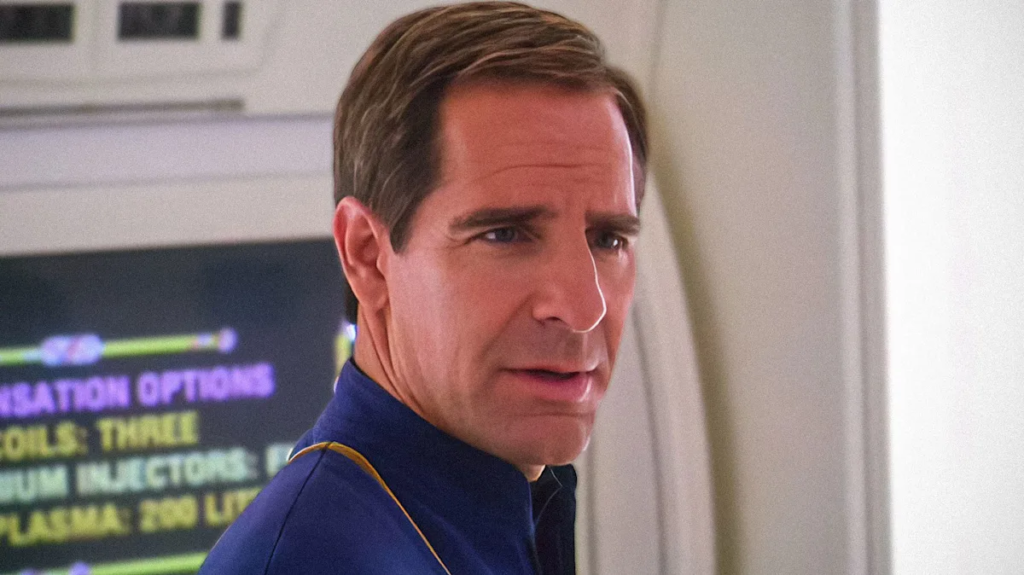
Scott Bakula has rarely spoke publicly about his children in interviews, which is a parenting choice that deserves respect. When he has mentioned them, it is always with warmth and obvious pride. The actor, who is best known for portraying Sam Beckett in Quantum Leap, has consistently protected his family’s privacy even as his own career placed him under intense public scrutiny.
The relationship between Scott and Wil, from what little we can gather, appears to be built on mutual respect and love. Scott’s dedication to family has been a constant theme through out his public persona, and there is no reason to believe that dynamic is any different behind closed doors.
It’s also worth noting that Scott remarried in 2009 to actress Chelsea Field, and Wil grew up navigating a blended family structure. These kind of experiences shape a person in ways that are deep and lasting. Blended families, when handled with care and intention, can become extraordinary sources of emotional resilience for young people.
Wil Bakula’s Personal Life and Privacy
One of the most defining things about Wil Bakula is his commitment to living privately. In a age where oversharing on social media has become the default mode of existence, especially for people connected to celebrity, Wil has chosen a different road. He doesn’t appear to seek public validation, and his personal relationships, lifestyle, and day to day life remain largely away from public record.
This privacy isn’t mysterious in a suspicious way. It reads more like someone who simply knows what matter to them and protect it fiercely. That kind of self-awareness is rare, particularly for someone who grew up with the option of leveraging fame for attention.
Net Worth and Financial Standing of Wil Bakula
Exact figures regarding Wil Bakula’s net worth is not publicly verified. While his father Scott Bakula has a estimated net worth of around $16 million according to various celebrity financial trackers, Wil’s own financial standing depend on the success of his music career and any other private professional ventures he may be pursuing.
What we does know is that Wil has not been linked to any major commercial deals or high-profile entertainment projects that would give us a clearer picture. His wealth, whatever it may be, appears to come from his creative work and personal endeavors.
What Wil Bakula Represents in Today’s Celebrity Culture
Wil Bakula is, in many ways, a quiet counter-narrative to what we often expect from celebrity children. He hasn’t courted controversy, hasn’t appeared in tabloid headlines, and hasn’t tried to trade on his father’s legacy for easy success. That in itself is a story worth celebrating.
In a entertainment landscape that constantly rewards visibility over substance, Wil’s approach feels almost revolutionary. He reminds us that it is possible to grow up in the shadow of fame and still emerge as your own person, with your own values, your own voice, and your own reasons for doing what you do.
