
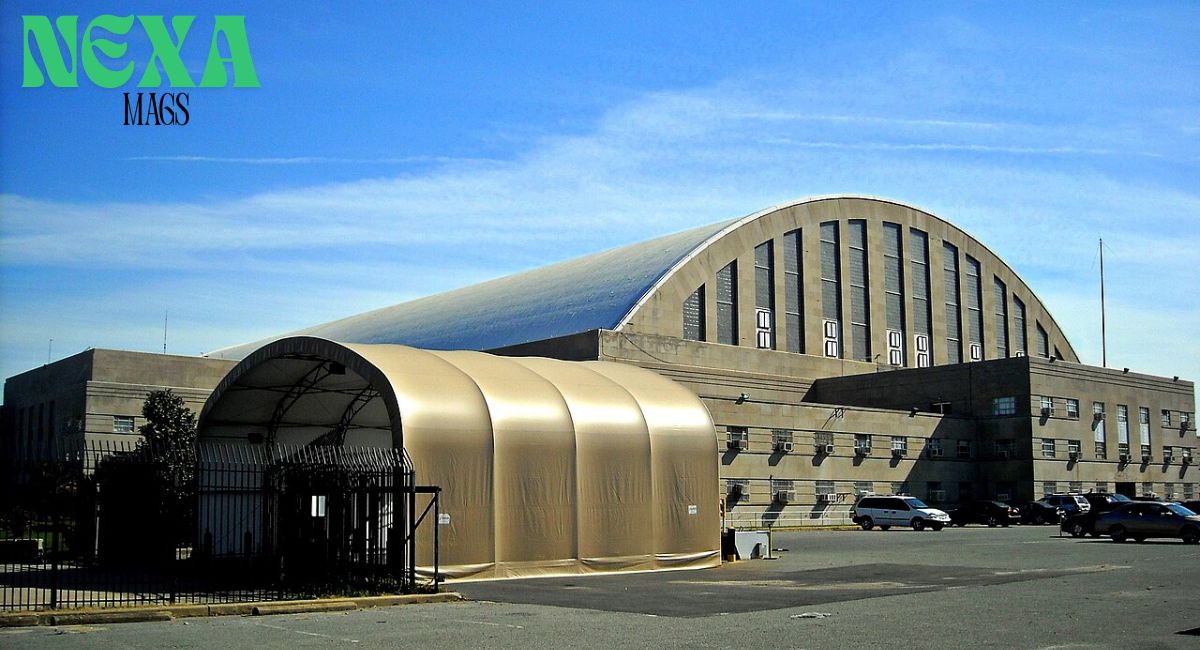
Few buildings in the American capital carry the kind of layered identity that the DC Armory does. Sitting at 2001 East Capitol Street SE in Washington, D.C., this storied structure has been a military post, a boxing hall, a soccer venue, and a community gathering space all under one roof. For more than eight decades, it has absorbed the energy of the city around it and reflected it back in ways that few venues ever manage to do. We believe understanding the DC Armory means understanding a significant chapter of Washington’s civic and cultural history, and we are here to walk you through every corner of it.
The Origins of the DC Armory: Built for a Nation on the Brink
The DC Armory was constructed and opened in 1941, a year that carried enormous weight for the United States. With World War II reshaping the globe, the federal government invested heavily in military infrastructure across American cities. The Armory was designed to serve the District of Columbia National Guard, providing a centralized headquarters where troops could train, equip, and mobilize when the nation needed them most.
The building’s architecture reflects that era of purposeful construction. It was build to be massive, functional, and enduring. There was no room for unnecessary decoration when the structure needed to serve real operational demands. Yet despite the utilitarian origins, the Armory possessed a certain dignity in its scale, a quality that would later made it attractive as a public venue.
What many visitors don’t realize when they arrive today is that military mission never went away. The DC Armory National Guard still operates within the facility. Alongside the boxing events, the soccer competitions, and the community expos, there remains a quiet, serious layer of national service embedded into the building’s everyday life. That dual identity is what sets it apart from any ordinary arena.
DC Armory Capacity and Physical Layout
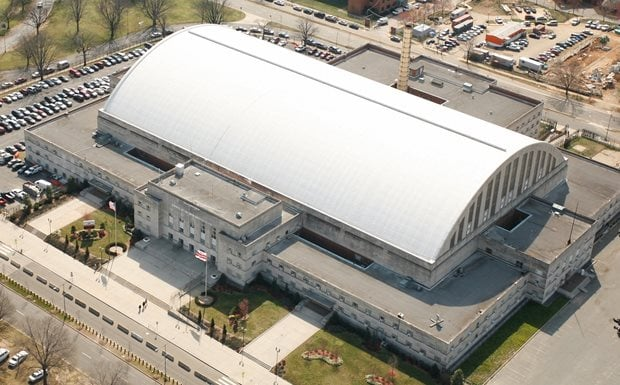
With a capacity of approximately 10,000 people, the DC Armory occupies a unique middle ground in Washington’s venue landscape. It is large enough to host significant sporting events and major public gatherings, yet compact enough to create an atmosphere that genuinely connects audiences to whatever is happening on the floor.
The main arena floor is flexible by design. Organizers can reconfigure it depending on the event type. A boxing ring can be assembled and dismantled within hours. Soccer lines can be laid down for indoor matches. Exhibition booths can fill the space for trade shows and community fairs. This versatility is one of the Armory’s great strengths, and it explains why Events DC, the organization responsible for managing the nonmilitary schedule, consistently finds the building in demand throughout the calendar year.
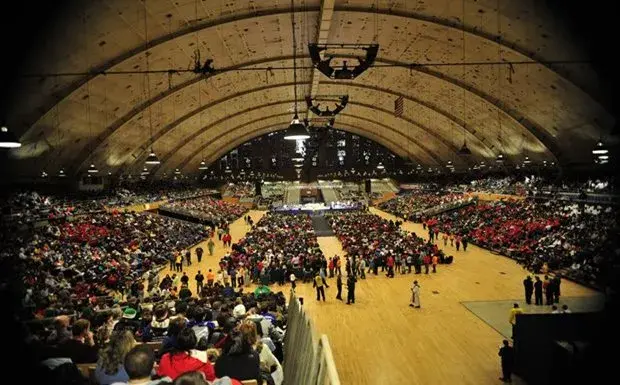
The seating arrangement creates what athletes and performers often describe as an intimate loudness. Even when the arena is not completely full, sound bounces off the walls and ceiling in ways that amplifies crowd energy. For boxing fans in particular, this acoustical quality become a major part of what makes attending DC Armory events different from watching the same fight on television.
DC Armory Events: What Has Happened Inside These Walls
Sports That Defined Generations of DC Fans
The list of DC Armory events that have taken place over the decades is genuinely impressive. Sports have been among the most consistent draws. The DC Armory boxing tradition runs deep, with local promoters and national organizations alike recognizing the venue as a serious destination for fight nights. Fighters from the Washington metropolitan area have launched careers inside that arena, and fans who grew up attending those bouts still talk about specific nights with the kind of reverence reserved for formative experiences.
DC Armory soccer may surprise those who associate the sport exclusively with large outdoor stadiums. Indoor soccer has a devoted following, and the Armory’s floor space accommodates a proper indoor pitch. During colder months, when outdoor play becomes difficult, the Armory provides athletes and spectators with a heated, enclosed environment that doesn’t require sacrificing the sport itself. The pace of indoor soccer is faster, the angles are tighter, and the crowd sits closer to the action than in any traditional stadium. If you have never watched a competitive indoor soccer match, the Armory is one of the best places in the region to see what the format actually looks and feels like.
Beyond those two disciplines, the venue has hosted wrestling events, martial arts competitions, and various athletic showcases tied to youth programs and community organizations across the District.
Community and Cultural Gatherings
Not every event at the DC Armory has been about competition. The venue has served as host for job fairs, disaster relief staging operations, cultural festivals, and holiday events. During crises, its combination of sheer floor space and operational infrastructure has made it valuable in ways that go well beyond entertainment. The DC Armory National Guard’s continued presence means the facility can transition from concert hall to emergency coordination center with a speed that no purely commercial venue could match.
For residents of Southeast Washington particularly, the Armory represents a community anchor. It is a place where locals have gathered not just to watch sports but to participate in the life of their city. That kind of presence builds meaning over time, and the Armory has accumulated a great deal of it.
If you’re interested in how public venues shape community identity in American cities, resources like the Project for Public Spaces offer fascinating research on how architecture and civic life intersect in exactly this way.
The Military Side: DC Armory National Guard and Arsenal Operations
The term “armory” is not decorative. The DC Armory arsenal function remains active, and the District of Columbia National Guard continues to use the facility for official military purposes. Equipment is stored here. Personnel train here. The building can be secured and repurposed for emergency operations when circumstances require it.
This aspect of the Armory’s identity generate a lot of questions from curious visitors, particularly around the topic of DC Armory guns. To be clear: the weapons and equipment stored within are for exclusive military and law enforcement use. There is no public access to those areas, and security protocols are strict. When you attend a boxing match or a community event at the DC Armory, you are in a professionally managed public space, not an unrestricted military facility. The two functions exist in the same building but are carefully separated in practice.
What this arrangement does create, though, is an unusual sense of layered purpose. Walking through the main entrance on a fight night, you are stepping into a building that has served some of the most serious national security functions the capital demands, and that history quietly informs everything about the place.
Getting There and Planning Your Visit
DC Armory Address and Getting Around
The official DC Armory address is 2001 East Capitol Street SE, Washington, DC 20003. The location places it near the Anacostia River waterfront and adjacent to the broader RFK Stadium campus, which means the surrounding area is well developed for large event traffic.
Public transportation is widely considered the smartest way to arrive. The DC Metro system serves the area through the Stadium-Armory station on the Blue, Orange, and Silver lines. Bus routes also connect the Armory to multiple neighborhoods across the District. If you’re unfamiliar with navigating Washington’s public transit, the Washington Metropolitan Area Transit Authority website provides trip planners, schedules, and accessibility information that makes event planning considerably easier.
For those who prefer to drive, parking is available in nearby lots along the RFK campus corridor. Street parking exists in the surrounding neighborhoods, though availability varies significantly based on how large the event is and what time you arrive. During peak events, arriving by Metro will almost always save time.
Tips for First-Time Visitors
First-time visitors to the DC Armory tends to underestimate how quickly the interior fills up with noise and energy. Arriving early gives you time to orient yourself, find your seats comfortably, and absorb the atmosphere before an event begins. Security screening at the entrance is thorough, consistent with both the venue’s public event standards and its military heritage. Bringing bags that are too large can slow your entry considerably, so traveling light is always wise.
Concession options inside the venue cover standard arena fare. For a more varied dining experience before or after an event, the surrounding Capitol Hill and Barracks Row neighborhoods offer restaurants ranging from casual to upscale within a short distance.
DC Armory Photos and What the Building Looks Like
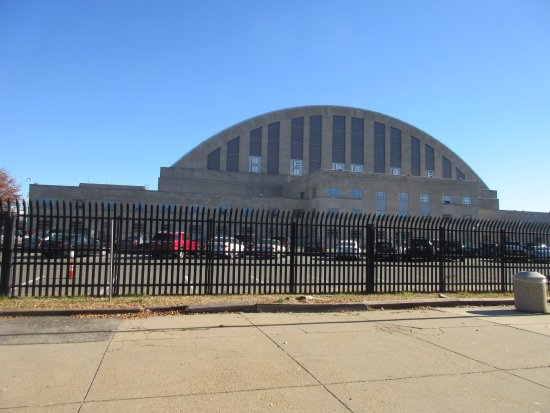
For those who haven’t visited yet, browsing DC Armory photos online reveals a structure with genuine architectural personality. The exterior presents as a solid, rectangular building with clear military-era aesthetic sensibilities. There is nothing flashy about the facade, but there is weight and credibility to it. It looks exactly like what it is: a building constructed to last and to serve.
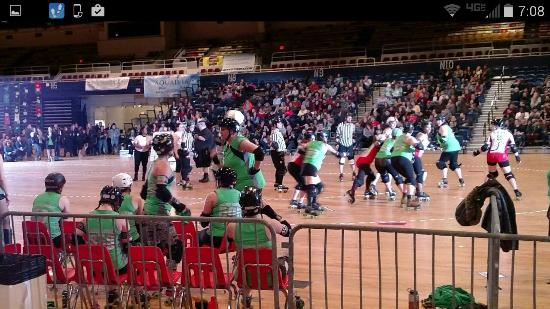
Inside, the arena space opens up in a way that is somewhat surprising given the exterior’s austere appearance. The ceiling rises high enough to accommodate proper sporting events, and the sightlines from most seating positions are clean. Photographers covering DC Armory events frequently comment on how the lighting conditions inside, while not designed for artistic effect, create a raw and unfiltered quality that suits sports photography particularly well.
If you want a deeper look at how historic public venues across the country are being documented and preserved, the National Trust for Historic Preservation maintains an extensive database and blog covering landmark buildings that have served dual civic and cultural roles.
The Broader Context: Why DC Armory Still Matters in 2025 and Beyond
Washington, D.C., has changed dramatically since 1941. New stadiums have been built, entire neighborhoods have been reshaped, and the city’s relationship with sports, culture, and public space has evolved continuously. Against that backdrop, the DC Armory has not merely survived. It has remained genuinely relevant.
Part of the reason for this is institutional. Events DC, the public authority that manages major venues across the District, has invested in keeping the Armory functional and bookable. Their management ensures that the facility meets modern event standards without erasing the character that makes it worth visiting in the first place. The partnership between Events DC and the DC National Guard represents a civic model worth paying attention to: public infrastructure serving multiple essential functions simultaneously rather then being built for a single purpose and left underutilized when that purpose shifts.
For students of urban development and civic architecture, this model is increasingly discussed as a template for sustainable public space management. The Urban Institute has published work on how multifunctional public facilities contribute to neighborhood stability and long-term civic investment, research that speaks directly to what the DC Armory represents in practice.
There’s also an emotional dimension to all of this that easy to overlook if you focus only on the logistics. The DC Armory is a place where people have experienced genuine moments of communal joy. They have watched fighters they rooted for climb off the canvas. They have seen their local soccer teams score in the final minutes. They have attended job fairs where they found opportunities that changed their lives. These experiences accumulate over generations and create a bond between a community and a building that no amount of modern construction can quickly replicate. The DC Armory has had more than eighty years to build that bond, and it shows.
Frequently Asked Questions About DC Armory
What is the DC Armory used for today?
The DC Armory serves a dual purpose. The District of Columbia National Guard uses portions of the facility for military operations, equipment storage, and training. Events DC manages the public schedule, which includes boxing events, indoor sports, community gatherings, concerts, and large-scale expos.
How large is the DC Armory?
The venue holds approximately 10,000 people, making it one of the mid-sized indoor arenas in the Washington area. Its flexible floor plan allows organizers to adapt the space for different event formats.
Is parking available at the DC Armory?
Yes. Parking is available in lots connected to the broader RFK Stadium campus near the Armory. Public transit through the Stadium-Armory Metro station is often the more convenient option during high-attendance events.
Can anyone attend events at the DC Armory?
Yes. The public event schedule managed by Events DC is open to ticket holders. The military portions of the facility are not accessible to the general public.
How old is the DC Armory?
The Armory opened in 1941, making it over 80 years old as of this writing.
Final Thoughts on a Washington Landmark That Refuses to Stand Still
The DC Armory is not the newest venue in Washington. It is not the biggest. It does not have the luxury amenities that newer arenas use to attract premium audiences. What it does have is something that money cannot buy quickly: a genuine history shared between a building and a city, accumulated across decades of sporting passion, military service, and civic participation.
We encourage anyone with an interest in Washington’s cultural landscape, sports history, or community development to pay attention to what the DC Armory represents. It is the kind of place that reminds us why public space matters, why historic preservation is worth the effort, and why a building designed with serious purpose can continue to serve that purpose long after the generation that built it is gone.
If you’re planning a visit or looking for upcoming events, checking the Events DC website or the venue’s official listings will give you the most current information on what’s scheduled. And when you walk through those doors for the first time, take a moment before the noise starts. The walls have absorbed a lot of Washington’s story, and they have more to tell.
