
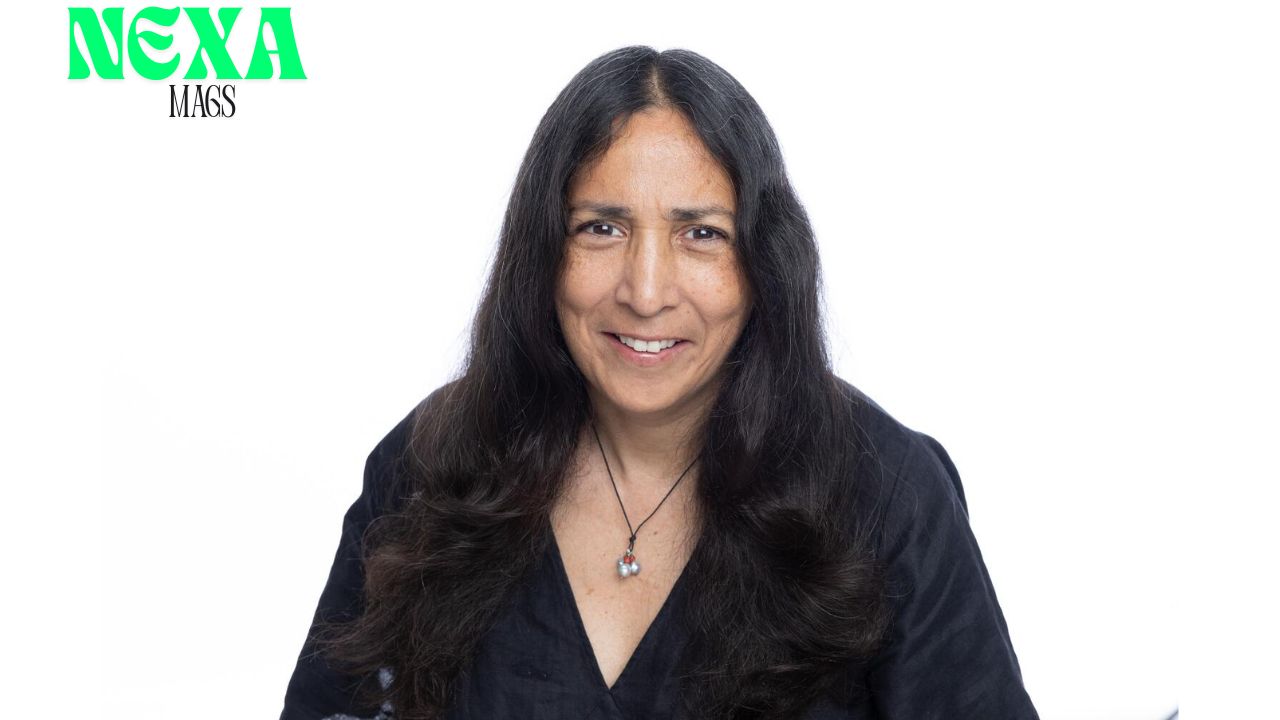
Few figures in American media has done more to quietly reshape the way this country reads and thinks about food than Laurie Ochoa. She never craved the spotlight. She never positioned herself as a celebrity. Instead, she did what great editors always do: she stayed close to the work, held writers to a higher standard, and insisted that food journalism deserved the same rigor, curiosity, and emotional honesty as any other serious form of reporting.
Her career spans decades and institutions, from the rebellious corridors of LA Weekly to the glossy, tradition-soaked pages of Gourmet magazine to the ambitious editorial operations of the Los Angeles Times. At each stop, she left something permanent, not just in the articles published, but in the values baked into how those publications approached their readers.
Who Is Laurie Ochoa? A Career Built on Craft and Conviction
Laurie Ochoa is an American journalist, food critic, and editor widely recognized for her editorial leadership at some of the most influential media organizations in the United States. She is perhaps best known to the general public as the wife and creative partner of the late Jonathan Gold, the first food critic to win the Pulitzer Prize, but to anyone inside the journalism world, her reputation stand entirely on its own.
She was born and raised in Whittier, California, a city in Los Angeles County that sits at the edge of the San Gabriel Valley, a region long celebrated for its staggering culinary diversity. Growing up in Southern California during a period when the area’s food culture was exploding outward from the old guard of French-influenced fine dining toward taquerias, Korean barbecue, Vietnamese pho houses, and Oaxacan kitchens, she developed an early and deeply personal understanding of what food actually represent in the lives of ordinary people. It wasn’t entertainment. It was memory, identity, and belonging.
That background didn’t just inform her palate. It shaped her editorial compass.
Early Career: The LA Weekly Years and the Birth of an Editorial Vision
Laurie Ochoa began her career at LA Weekly, the fiercely independent alternative newspaper that served as one of the most creatively alive publications in American journalism during the 1980s and 1990s. LA Weekly wasn’t a place for cautious voices or corporate-approved angles. It gave writers room to take risks, and it gave editors like Ochoa the freedom to develop a philosophy of storytelling that placed cultural context above hype.
It was at LA Weekly where she first worked alongside Jonathan Gold. Their professional relationship deepened into a personal one, and they married in 1990. But it would be reductive to frame Ochoa’s career through that lens alone. She was building something of her own at every stage.
At LA Weekly, she helped foster a culture of food writing that went beyond reviews and recipes. The paper was covering Los Angeles as a living, breathing, complicated organism, and Ochoa understood that the city’s restaurants, street food stalls, and family-owned kitchens were as much a part of that organism as its politics and music scene. She pushed for stories that treated immigrant chefs and working-class food businesses with the same serious attention typically reserved for fine dining establishments.
This was not a common editorial position in mainstream food media at the time. It was genuinely radical.
Gourmet Magazine: Bringing Depth to a Legacy Publication
One of the most significant chapters in Laurie Ochoa’s career came when she joined Gourmet magazine as executive editor. Gourmet, founded in 1941, was one of the most storied food publications in American history. It had a reputation for elegance and ambition, but by the time Ochoa joined, it was navigating a rapidly shifting media landscape where readers expected more than white-tablecloth aspirationalism.
Ochoa brought a West Coast sensibility and a commitment to long-form, culturally grounded reporting to a publication that had long been associated with the Eastern Establishment. Under her editorial influence, the magazine pursued stories that explored the global politics of food systems, the lives of the people who grow and prepare food, and the histories embedded in regional cooking traditions.
She understood that great food writing is really a form of cultural criticism. A story about tamales in a small Mexican village is also a story about land, labor, migration, and memory. A profile of a third-generation sushi master in Los Angeles is also a story about identity and adaptation. Ochoa consistently pushed writers to find and honor those layers.
Gourmet ceased its print publication in 2009, a casualty of the broader collapse of print advertising. It was a loss that many in the food journalism world still grieves, and Ochoa’s contributions during her tenure there remain a high-water mark for what American food magazines can achieve when they prioritize substance.
Returning to Los Angeles: Leadership at the Los Angeles Times
After Gourmet, Laurie Ochoa made her way back to Los Angeles, eventually returning to the institutional home that perhaps suited her most: the Los Angeles Times. Her return to the Times placed her in one of the most influential editorial seats in American regional journalism.
The Los Angeles Times food section has long been considered one of the best in the country, a reflection of the city itself, which is arguably the most culinarily diverse metropolitan area on earth. Los Angeles food culture is not easily summarized. It is Korean-Mexican fusion trucks and century-old Italian delis and Michelin-starred tasting menus and Salvadoran pupuserias on the same block. Ochoa understood all of this intimately, and under her editorial guidance, the Times food section attempted to do justice to that complexity.
She championed writers who came from the communities they covered. She insisted on stories that didn’t condescend to readers from working-class or immigrant backgrounds. She understood, perhaps more clearly than most editors of her generation, that food journalism has a particular obligation to the people it writes about, not just the people it writes for.
Jonathan Gold, Partnership, and Loss
Any honest portrait of Laurie Ochoa must include some acknowledgment of her personal life, not because her career depend on it, but because their partnership was genuinely remarkable in the history of American food media.
Jonathan Gold, who passed away in July 2018 after a brief battle with pancreatic cancer, was by most accounts the most influential restaurant critic of his generation. His Pulitzer Prize-winning work for the Los Angeles Times transformed the way critics, editors, and readers thought about neighborhood restaurants, ethnic cuisines, and the relationship between food and place. He wrote about a taco truck in Boyle Heights with the same careful attention and respect he gave to a tasting menu in West Hollywood.
Ochoa and Gold shared a vision of food journalism as fundamentally democratic. Food matters to everyone, regardless of class or background, and good food writing should reflect that. They worked in the same spaces, edited each other’s thinking, and together represented a kind of intellectual and creative partnership that is rare in any industry.
After Gold’s death, Ochoa continued her work with the quiet professionalism that has always defined her public persona. She carried the values they both believed in forward, and the journalism world was better for it.
The James Beard Awards and Industry Recognition
While Laurie Ochoa has never been the type of figure to accumulate awards as a measure of success, her work has received formal recognition from the journalism and food industries. She has been connected to James Beard Award nominations, an acknowledgment of editorial excellence from one of the most respected institutions in American food culture.
The James Beard Foundation, which has been recognizing outstanding work in food journalism since 1991, represents the field’s closest equivalent to the Pulitzer or the National Magazine Award. Nominations in this space carry significant weight, and Ochoa’s association with them speak to the consistent quality of the editorial work she produced over decades.
Beyond formal awards, her influence is visible in the careers of dozens of food writers who came through publications she edited. The mentorship dimension of her career often goes undiscussed, but editors like Ochoa shape whole generations of journalists by deciding what stories get told, who gets the chance to tell them, and how much space and ambition the publication is willing to invest in serious food reporting.
What Laurie Ochoa’s Career Teaches Us About Food Journalism
There is a lesson buried inside Laurie Ochoa’s career that goes beyond biography. She built something durable at a time when media institutions were becoming increasingly fragile. She maintained standards when commercial pressure made it easy to cut corners. And she consistently argued, through her editorial choices, that food journalism is a serious endeavor with serious responsibilities.
The food media landscape today is crowded with content: social media reviews, algorithmic recipe feeds, influencer partnerships, and listicles designed to generate clicks rather than understanding. Against that backdrop, the kind of journalism Ochoa practiced, deeply reported, culturally engaged, and genuinely curious, can look almost old-fashioned.
But it isn’t old-fashioned. It is what readers actually want when they want more than entertainment. It is what builds lasting trust between a publication and its audience. It is, ultimately, why people still remember the best food writing they ever read, because it told them something true about the world.
Laurie Ochoa’s Lasting Impact on Los Angeles Food Culture
Los Angeles is a city that does not always get the credit it deserves as a food capital. For much of the twentieth century, it was overshadowed by New York in the cultural imagination of American media. Ochoa, alongside Gold and a handful of other editors and critics working in the city, helped change that perception permanently.
She helped build a body of food journalism that documented LA’s culinary evolution in real time: the rise of the San Gabriel Valley as a destination for Chinese regional cuisine, the growing recognition of Mexican culinary traditions beyond tacos and burritos, the emergence of a generation of chefs trained in fine dining but rooted in immigrant kitchens.
That documentation matters. Food writing at its best is a form of historical record, and the Los Angeles that Ochoa’s journalism helped captured is a city that future readers and historians will be able to understand more clearly because of the work done during her watch.
Frequently Asked Questions About Laurie Ochoa
Who is Laurie Ochoa?
Laurie Ochoa is an American journalist, food critic, and editor known for her editorial roles at LA Weekly, Gourmet magazine, and the Los Angeles Times. She is widely respected for bringing depth, cultural sensitivity, and editorial rigor to American food journalism.
Was Laurie Ochoa married to Jonathan Gold?
Yes. Laurie Ochoa and Jonathan Gold were married from 1990 until his death in July 2018. Gold was a Pulitzer Prize-winning food critic for the Los Angeles Times.
What publications has Laurie Ochoa worked for?
Laurie Ochoa has worked for LA Weekly, Gourmet magazine, and the Los Angeles Times, among others. She held editorial leadership positions at multiple publications across her career.
Has Laurie Ochoa received any awards?
Ochoa has been associated with James Beard Award nominations, which is one of the most prestigious forms of recognition in American food journalism.
Where is Laurie Ochoa from?
Laurie Ochoa was born and raised in Whittier, California, a city in Los Angeles County.
Final Thoughts
Laurie Ochoa’s career is a reminder of what journalism can accomplish when driven by genuine curiosity and a commitment to the communities it covers. She didn’t just edited articles. She shaped a worldview about what food means, who deserves to have their culinary traditions taken seriously, and why the stories we tell about eating together are never really just about the food.
Her work across LA Weekly, Gourmet, and the Los Angeles Times represents a body of editorial achievement that few in the field can match. And her insistence on treating food writing as serious cultural journalism helped raise the standards of an entire industry.
For readers, writers, and editors who care about where food journalism goes from here, Laurie Ochoa’s career is not just history. It is a working model for what the field can aspire to be.
