
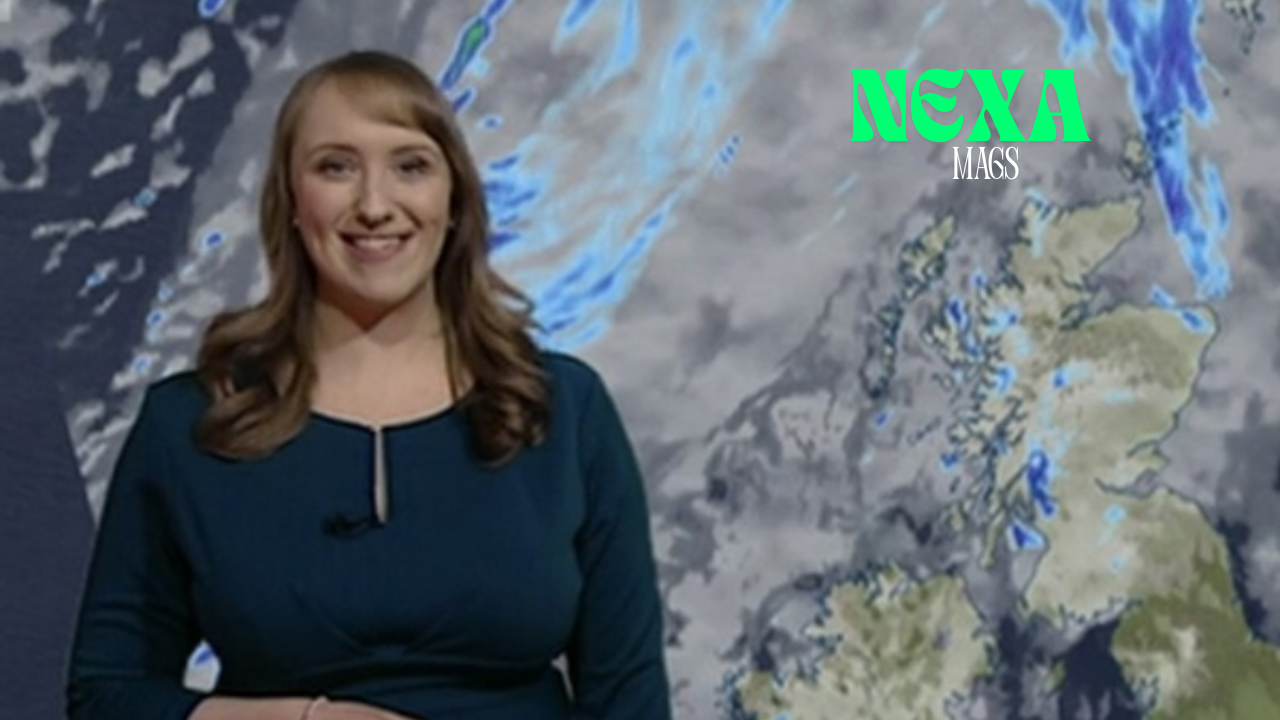
If you’ve searched for “gillian brown weather presenter weight loss,” you’re probably curious about the BBC weather presenter’s fitness journey. Here’s the short answer: there’s no official statement from Gillian Brown about a major weight loss transformation. What does exist is a presenter who has always been open about loving fitness, horses, and an active lifestyle.
This article breaks down what’s actually known, why these search terms trend so often for TV personalities, and what real health experts say about sustainable weight management. Let’s get into it.
Who Is Gillian Brown, the BBC Weather Presenter?
Gillian Brown is a British weather presenter and broadcast journalist, currently known for her work with BBC Look East and previously BBC East Midlands Today. She studied English and Journalism before completing a Master’s in Radio Production.
Her career started in radio, working as a broadcast assistant at BBC Radio Northampton before moving into television weather presenting. According to her own account shared via Bournemouth University’s alumni profiles, she joined BBC Radio Northampton as a casual Broadcast Assistant and Producer after graduating with an MA in Radio Production in 2013.
She later moved into full time weather presenting, eventually becoming a permanent fixture at BBC East Midlands Today before her move to Look East in Norwich.
What Makes Her Popular With Viewers?
People connect with Gillian Brown because of her warmth, humor, and genuine on screen presence. She’s known for her love of puns and for making early morning forecasts feel a little less dull.
Off screen, she’s openly shared her passion for horses, travel, and staying active. None of this is hidden information; it’s the kind of content she regularly posts on her social media accounts.
Has Gillian Brown Spoken About a Weight Loss Journey?
No, there is currently no verified interview, press release, or official BBC statement where Gillian Brown discusses a specific weight loss journey. This is an important distinction, because a lot of “weight loss” articles about TV personalities are built on speculation rather than facts.
What is publicly visible is that fitness has long been part of her lifestyle, not a sudden change. Her social media bio and posts reference an active routine, which is consistent rather than something tied to a single transformation story.
Why Do These Searches Even Exist?
Search terms like “[name] weather presenter weight loss” trend constantly across British regional broadcasting, and it’s rarely because of one dramatic event. Often, it’s because:
Viewers notice subtle changes in appearance over months or years of watching someone daily. Camera angles, lighting, hairstyles, and clothing choices can all make someone look different without any real weight change at all. And curiosity about presenters’ personal lives tends to spike whenever they change roles or locations, which Gillian did when she moved from East Midlands Today to Look East.
Why Are Weather Presenters Often Targeted by Weight Loss Searches?
Weather presenters appear on screen daily, often in close up shots with consistent lighting, which makes their appearance more noticeable to regular viewers than almost any other type of presenter. This daily familiarity is exactly why small visual changes get picked up and searched so often.
Think about it this way: you might watch a drama actor for two hours once a year, but a regional weather presenter is on your screen every single morning. That kind of repetition builds a strange sense of familiarity, almost like checking in on a friend.
Is This a Common Pattern Across UK Broadcasting?
Yes, this pattern shows up repeatedly across BBC regional news teams, not just with Gillian Brown. Search interest in presenters’ appearance, including weight, often correlates with role changes, new haircuts, or simply a new season’s wardrobe.
This isn’t unique to broadcasting either. Public interest in celebrity body changes has been a consistent media trend for decades, often disconnected from any actual confirmed story.
What Do Real Experts Say About Healthy, Sustainable Weight Loss?
Real, lasting weight loss comes from gradual changes to diet, activity levels, and sleep, not quick fixes. Health organizations consistently emphasize slow, steady progress over dramatic short term results.
Here are some genuinely useful, verifiable facts worth knowing if you’re interested in healthy weight management rather than rumors about a specific person:
1. The NHS recommends losing no more than 0.5 to 1kg (roughly 1 to 2 pounds) per week for sustainable results, based on guidance from the UK’s National Health Service.
2. Regular physical activity is strongly linked to weight maintenance. The NHS advises adults to aim for at least 150 minutes of moderate intensity activity per week, such as brisk walking or cycling.
3. Sleep plays a measurable role in weight regulation. Poor sleep has been associated with increased hunger hormones and reduced willpower around food choices, according to NHS sleep and weight guidance.
4. Diet quality matters more than just calorie counting for most people, with an emphasis on whole foods, vegetables, and reduced processed sugar intake being a consistent recommendation across UK public health messaging.
5. Hydration is often underestimated. Drinking water before meals has been shown in studies to support modest reductions in calorie intake.
6. Strength training preserves muscle mass during weight loss, which helps maintain a healthy metabolism, a point frequently highlighted by NHS and fitness industry resources alike.
7. Stress management is now recognized as part of weight health. Chronic stress can affect cortisol levels, which in turn can influence fat storage patterns, particularly around the midsection.
8. Consistency beats intensity for long term results. Multiple public health studies show that small, repeatable habits outperform extreme short term diets for keeping weight off over years, not just months.
These facts apply broadly to anyone interested in fitness, whether they’re a TV presenter or not. They’re a far more reliable foundation than guessing based on someone’s appearance in a few photos.
How Should You Approach Celebrity Weight Loss Stories Online?
Approach these stories with healthy skepticism, especially when there’s no direct quote or interview from the person involved. A lack of an official statement usually means the story is speculation, not confirmed fact.
It’s also worth remembering that public figures, including BBC presenters like Gillian Brown, are entitled to privacy around their bodies and health. Unless they choose to share something publicly, there’s genuinely nothing to report.
Where Can You Find Verified Information About Gillian Brown?
Her official social media accounts, including Instagram and X (formerly Twitter), remain the most direct and verified sources for updates on her career and personal interests. BBC regional news pages and university alumni profiles, such as the one published by Bournemouth University, also offer verified career details.
If a genuine health or lifestyle story ever comes from Gillian Brown herself, it would most likely appear through these official channels first, not through unrelated blog posts.
Final Thoughts: Separating Fact From Speculation
So, to bring it back to the original question, “gillian brown weather presenter weight loss” doesn’t currently point to any confirmed, documented transformation story. What’s real is a presenter with a long standing interest in fitness, horses, and an active lifestyle, alongside a genuinely impressive broadcasting career spanning radio and television.
Rather than chasing unverified rumors, it’s far more useful to focus on health information that’s actually backed by credible sources like the NHS. If you’re on your own health journey, small consistent changes, proper sleep, and realistic goals will always serve you better than comparing yourself to speculation about someone else’s appearance.
And honestly, the next time Gillian Brown pops up on your screen with a weather pun and a smile, that’s probably the most reliable update you’re going to get.
