
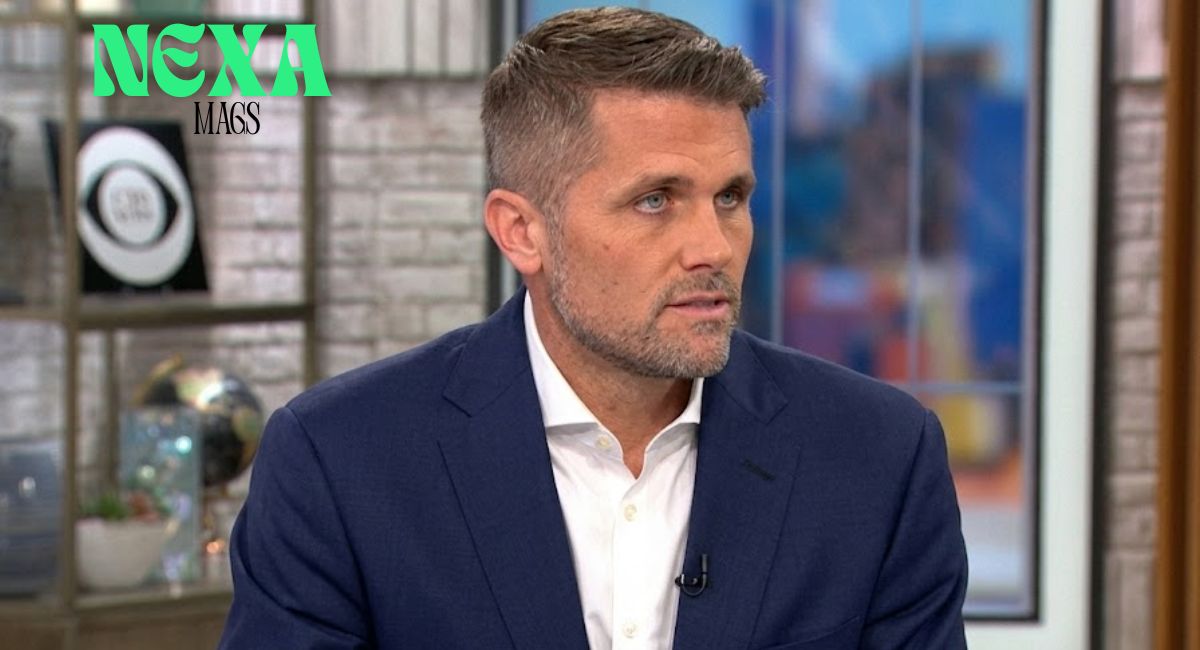
Few corporate leaders in recent American history carry the kind of biographical depth that Brendan Whitworth brings to the table. His journey from the disciplined ranks of the United States Marine Corps, through the covert corridors of the Central Intelligence Agency, and finally to the executive suite of one of the country’s most culturally embedded companies, tells a story that most MBA programs simply cannot manufacture. Brendan Whitworth did not arrive at his leadership philosophy through textbooks. He built it through lived experience, hard decisions, and a deep sense of personal accountability that most executives only ever aspire to.
Who Is Brendan Whitworth? A Profile Worth Knowing
Brendan Whitworth currently serves as the CEO of Anheuser-Busch, the American arm of AB InBev, the world’s largest brewing company by volume. Anheuser-Busch produces some of the most recognized beers in American culture, including Budweiser and Bud Light, products that touch tens of millions of households across the country. Whitworth stepped into this role in June 2021, and since then his management philosophy has been felt at every level of the organization.
Born and raised in Wilmington, Delaware, Whitworth displayed early signs of the qualities that would later define his professional identity. He was drawn toward structure, service, and a sense of responsibility that extended beyond personal ambition. These are traits that many people talk about, but very few actually carries consistently throughout an entire career. For Whitworth, they appear to have been foundational from the start.
He holds a bachelor’s degree from Georgetown University and later earned a Master of Business Administration from the Wharton School at the University of Pennsylvania, two institutions that rarely produces the same professional archetype. Georgetown sharpened his global awareness. Wharton gave him the financial and strategic frameworks. But it was his time in uniform and in intelligence work that gave him something neither school could offer: clarity under pressure.
Brendan Whitworth’s Military Background and What It Built in Him
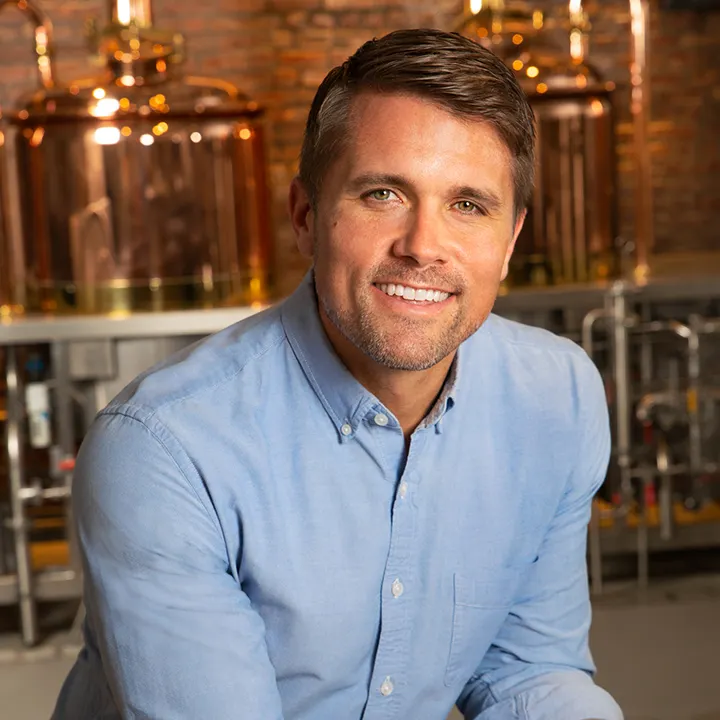
Before anyone in the business world had heard his name, Brendan Whitworth was serving as an officer in the United States Marine Corps. Military service at the officer level demands a very particular kind of mental and emotional architecture. You are responsible not just for outcomes, but for people. Your decisions carry weight that spreadsheets and quarterly reports will never fully capture.
The Marine Corps instills a framework that is difficult to replicate in civilian environments. Discipline is not enforced from outside. It becomes internalized. Leaders in that context learns very quickly that the people below them on the organizational chart are not resources to be managed. They are human beings whose performance, morale, and wellbeing directly reflect the quality of leadership above them. Whitworth absorbed this reality and it shows in how he has approached corporate management ever since.
For anyone interested in understanding how military leadership principles translate into effective organizational management, the research consistently points to veterans who brought emotional discipline, mission-orientation, and team-first thinking into business roles. Whitworth is frequently cited as a strong example of that pattern.
The CIA Chapter: What Intelligence Work Teaches About Corporate Strategy
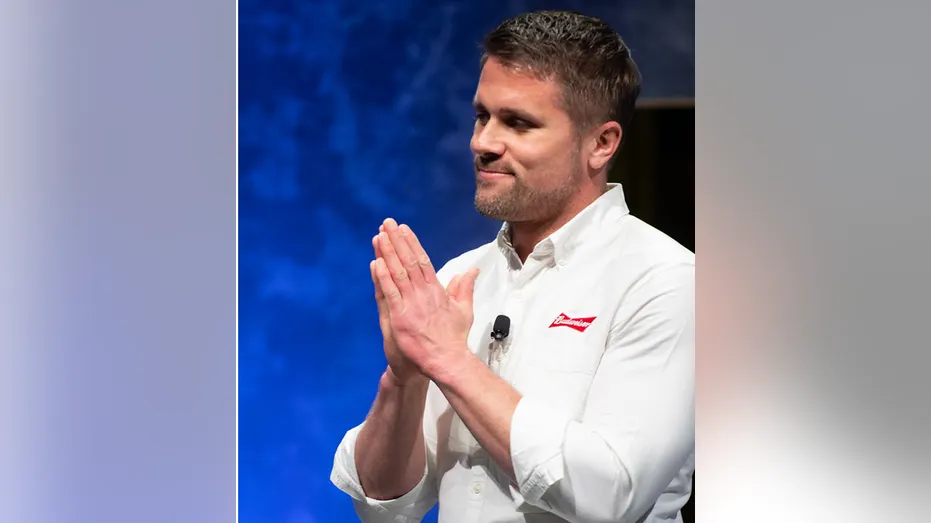
After completing his military service, Whitworth moved into an even more demanding environment. He served as an intelligence officer with the Central Intelligence Agency, a role that is rarely discussed in most leadership conversations but arguably contributed more to his corporate effectiveness than anything else in his career.
Intelligence work, at its core, is about pattern recognition under ambiguity. An analyst or field officer does not have the luxury of waiting for complete information before making a decision. You learn to draw conclusions from incomplete datasets, to weight sources of information critically, and to accept that uncertainty is not an obstacle but a permanent condition of professional life. These capabilities are extraordinarily valuable in corporate leadership, particularly in large consumer-facing companies that are constantly navigating shifting public sentiment, competitive landscapes, and regulatory environments.
Whitworth’s CIA background also gave him a well-developed instinct for discretion. In an era where every executive statement is immediately amplified across social media, the ability to choose words carefully and communicate with precision rather than volume is a genuine competitive advantage.
Rising Through Anheuser-Busch: A Study in Institutional Leadership
Whitworth joined Anheuser-Busch before becoming its CEO, which meant he had time to understand the institution from within before taking ultimate accountability for it. This is a pattern that distinguishes him from many executives who parachute into senior roles with limited operational knowledge of the organization they are supposed to lead.
He understood the company’s cultural weight. Anheuser-Busch is not merely a beverage manufacturer. It is, in many respects, a piece of American social fabric. Its brands appear at major sporting events, family gatherings, and national celebrations. Leading such an organization requires an appreciation for brand stewardship that goes well beyond market share calculations.
When he formally assumed the CEO role in 2021, Whitworth signaled from the beginning that his approach would be anchored in values and long-term thinking rather than short-term optics. He communicated a commitment to the company’s communities, its employees, and its agricultural supply chain in a way that reflected genuine conviction rather than marketing strategy.
Brendan Whitworth’s Leadership Philosophy: Service as a Management Framework
Accountability Before Authority
One of the most consistent threads running through Whitworth’s approach to management is the idea that authority carries obligation. This is a principle that emerge naturally from military service and intelligence work, where the consequences of leadership failures are immediate and sometimes irreversible. In corporate settings, this philosophy manifests as a leader who does not delegate responsibility downward without maintaining personal accountability for outcomes.
Employees at Anheuser-Busch have noted his accessibility and his willingness to engage directly with operational challenges rather than insulating himself behind layers of management. This is not a common trait in large multinational corporations, and it’s one of the reasons his tenure has generated genuine organizational loyalty rather than just compliance.
Communication Under Pressure
The period following the 2023 Bud Light marketing controversy placed Brendan Whitworth under a level of public scrutiny that very few American corporate leaders have faced in recent memory. The controversy generated intense and polarized public debate, and the pressure on him personally was enormous. His response, while criticized by some as insufficient and by others as measured, reflected a deliberate communication strategy rooted in institutional stability.
He published an open statement that acknowledged the controversy without being inflammatory. He focused on the company’s values, its workers, its commitment to its communities. Whether one agrees with the specific content of his response or not, the structural approach demonstrated a leader who refuses to be reactive, who prioritizes long-term institutional health over short-term public approval cycles. Students of crisis communication will find his handling of this period worth analyzing carefully.
Team-First Thinking in Corporate Settings
Whitworth has consistently spoken about the importance of the people who actually produce and distribute Anheuser-Busch products. He has made multiple public statements emphasizing that the 18,000 American workers employed by the company represent the company’s true identity, not its advertising campaigns or its public controversies.
This is a values orientation that connects directly to his military background. In the Marine Corps, the mission is only meaningful if the people executing it are supported, equipped, and led with integrity. Whitworth appears to have carried this conviction into every management role he has held.
Brendan Whitworth’s Personal Life and the Choice of Privacy
Whitworth keeps his personal life largely outside of public view, a choice that reflects both professional discipline and a genuine belief that leadership credibility should rest on professional performance rather than personal brand cultivation. Details about Brendan Whitworth’s family life, including his spouse and any children, are not publicly disclosed, and he has given no indication that this is likely to change.
His age, while not officially publicized, places him in the generation of leaders who grew up before social media became a professional performance platform. This may partially explain his comfort with a level of personal opacity that younger executives often find difficult to maintain. For those curious about how modern executives balance personal privacy with public responsibility, Whitworth’s approach offers an interesting case study.
Brendan Whitworth’s Net Worth and Compensation Context
As CEO of one of America’s largest consumer goods companies, Brendan Whitworth’s compensation is naturally a subject of public curiosity. While his exact salary and total compensation figures are not independently verified in publicly available disclosures at the Anheuser-Busch level due to the parent company AB InBev being listed on European exchanges, estimates based on comparable CEO compensation in the beverage and consumer goods sector suggests annual packages in the range consistent with major corporate leadership positions.
What is perhaps more noteworthy than the numbers themselves is Whitworth’s apparent orientation toward stewardship over accumulation. His public statements have consistently returned to themes of community investment, employee wellbeing, and long-term corporate responsibility rather than personal financial positioning. That orientation, whether strategic or genuine, has become a defining feature of his public identity.
What the Business World Can Learn From Brendan Whitworth
The leadership lessons embedded in Brendan Whitworth’s career are not theoretical. They are drawn from actual experience across three distinct professional environments, each of which demands different qualities but all of which reward the same underlying character traits: integrity, patience, clarity, and service.
For business leaders and management professionals studying modern executive leadership, Whitworth’s trajectory suggests several practical takeaways. First, diverse professional backgrounds produce more adaptive leaders than narrowly specialized career paths. Second, institutional loyalty and values consistency matters more during crises than polished communications strategies. Third, the willingness to accept accountability rather than deflect it separates genuine leaders from organizational figureheads.
His story also challenges the assumption that effective corporate leaders must be primarily motivated by financial outcomes. The thread running through Whitworth’s career is not wealth accumulation or status. It is a consistent return to the idea that leadership exists to serve something larger than the leader.
Brendan Whitworth and the Future of Anheuser-Busch
Anheuser-Busch faces real challenges as American consumer preferences shift, craft beer continues to grow in market share, and non-alcoholic beverage alternatives attract younger demographics. Navigating this landscape require exactly the kind of adaptive, mission-grounded leadership that Whitworth has spent his career building.
His focus on community investment, including Anheuser-Busch’s partnerships with agricultural suppliers and emergency water donation programs, represents a strategic recognition that brand trust in the long term depend on genuine civic engagement, not advertising spend. These initiatives also reflect the values he brought from his service background, the idea that an organization’s credibility is built through consistent action, not periodic proclamations.
Frequently Asked Questions About Brendan Whitworth
Who is Brendan Whitworth?
He is the CEO of Anheuser-Busch, the American subsidiary of AB InBev. He previously served as a U.S. Marine Corps officer and as a CIA intelligence officer.
What is Brendan Whitworth’s educational background?
He holds a degree from Georgetown University and an MBA from the Wharton School at the University of Pennsylvania.
Who owns Budweiser?
Budweiser is owned by Anheuser-Busch, which itself operates under AB InBev, a publicly traded multinational beverages company.
Who is the owner of AB InBev?
AB InBev is owned by shareholders worldwide. It is listed on the Euronext Brussels exchange and is the largest brewing company on the planet by volume.
What makes Brendan Whitworth’s leadership style distinctive?
His approach is rooted in service-first values developed through military and intelligence careers, characterized by accountability, calm communication, and long-term institutional thinking.
Final Thoughts
Brendan Whitworth represents a type of corporate leader that American business culture does not produce frequently enough. He is someone whose professional credibility is grounded in genuine service, in the kind of work that carries real stakes and demands real character. His influence on leadership and management at Anheuser-Busch reflects not just strategic intelligence but a deeply held conviction that organizations exist to serve people, not the other way around.
As the company navigates an increasingly complex consumer landscape, his blend of discipline, discretion, and purpose-driven management gives Anheuser-Busch something that no marketing campaign can manufacture: a leader who actually believes in what leadership is supposed to be.
